

Meta Title
- Smartphone Buying Guide 2026 | Choose the Best Smartphone
Meta Description
- Smartphone Buying Guide 2026 helps you choose the best smartphone based on budget, camera, battery life, performance, display, and long-term value.
Introduction
- Buying a new smartphone has never been more exciting—or more confusing. With countless models, powerful processors, advanced AI features, high-resolution cameras, and different price ranges, finding the perfect device can quickly become overwhelming. Whether you’re upgrading an old phone or purchasing your first smartphone, making the right choice requires more than simply comparing specifications or following the latest trends.
- This Smartphone Buying Guide 2026 is designed to help you make a smart and confident buying decision. From choosing the right processor, RAM, storage, and display to understanding camera quality, battery life, software support, and long-term value, this guide covers every essential factor you should consider before spending your money. By the end of this article, you’ll know exactly how to choose the best smartphone that fits your budget, lifestyle, and everyday needs—without paying for features you’ll never use.
- If you’re interested in this subject, don’t miss our [Smart Watch] article.
Why You Need a Smartphone Buying Guide
- Purchasing a smartphone is no longer as simple as choosing the newest model or the one with the highest price tag. Modern smartphones differ significantly in hardware, software, camera technology, battery efficiency, display quality, and long-term software support. Without proper research, buyers often end up paying extra for features they rarely use while overlooking specifications that actually improve everyday performance.
- A comprehensive Smartphone Buying Guide helps you understand how each component contributes to the overall user experience. Instead of relying solely on advertisements or social media recommendations, you can evaluate smartphones based on your own requirements. Whether your priority is gaming, business productivity, photography, or entertainment, understanding the basics ensures that every dollar spent delivers real value.
Common Buying Mistakes
- Many buyers make the mistake of choosing a smartphone simply because it has the highest megapixel camera or the largest amount of RAM. While these specifications sound impressive, they do not always translate into better performance. Camera software, image processing, processor efficiency, and display optimization all play equally important roles.
- Another common mistake is ignoring software updates. A smartphone that receives regular operating system and security updates generally offers better performance, improved security, and a longer lifespan. Buying a phone without considering future software support may lead to outdated features and increased security risks within a few years.
- Some consumers also underestimate battery optimization. A phone with a smaller battery but an efficient processor may easily outperform another device with a much larger battery but poor optimization. Understanding how hardware and software work together helps buyers make smarter decisions.
Understanding Your Needs
- Before comparing specifications, ask yourself how you plan to use your smartphone. Different users require different features.
- Students usually prioritize affordability, battery life, and smooth everyday performance for online classes, note-taking, and social media. Professionals often require dependable security, productivity features, excellent call quality, and long software support.
- Gamers need powerful processors, high refresh rate displays, advanced cooling systems, and larger batteries to handle demanding games. Photography enthusiasts should focus on camera sensors, optical image stabilization, image processing, and video recording capabilities instead of megapixel numbers alone.
- Identifying your priorities before shopping prevents unnecessary spending and helps narrow down the best available options within your budget.
Set Your Budget Before Shopping
- Budget plays the biggest role in determining which smartphone offers the best value. Fortunately, modern smartphones have become significantly more capable across every price segment. Even affordable devices now include features such as high-refresh-rate displays, multiple cameras, 5G connectivity, and fast charging.
- Rather than chasing the most expensive flagship, define a realistic budget first. This makes comparing devices much easier and helps eliminate options that do not provide meaningful benefits for your needs.
Budget Smartphones
- Budget smartphones are ideal for users who primarily use their phones for calling, messaging, social media, video streaming, browsing, and light gaming. Today’s entry-level devices often feature large Full HD displays, capable processors, decent cameras, fingerprint sensors, and batteries that comfortably last an entire day.
- While budget phones may not offer premium materials or flagship cameras, they deliver excellent value for everyday users. Many also include expandable storage and dual SIM functionality, making them practical choices for students and first-time smartphone buyers.
- When purchasing a budget smartphone, prioritize software support, battery optimization, and processor performance instead of focusing only on camera specifications. These factors have a much greater impact on long-term satisfaction.
Mid-Range Smartphones
- The mid-range segment represents the best balance between price and performance. Smartphones in this category usually include faster processors, brighter AMOLED displays, improved camera systems, higher refresh rates, larger storage options, and premium-looking designs.
- For most consumers, mid-range smartphones provide everything needed for multitasking, gaming, photography, and entertainment without paying flagship prices. Many also support advanced AI features, improved night photography, and faster charging technologies.
- If you plan to keep your smartphone for several years, investing slightly more in a quality mid-range device often results in better long-term value than choosing the cheapest available option.
Flagship Smartphones
- Flagship smartphones are built for users who demand the highest level of performance and the latest innovations. These devices typically feature cutting-edge processors, exceptional camera systems, premium materials, advanced AI capabilities, superior displays, and extended software support.
- Professional content creators, mobile gamers, and business users often benefit most from flagship smartphones because they handle intensive tasks with ease. Features such as professional-grade video recording, wireless charging, satellite communication, IP68 water resistance, and advanced biometric security are commonly available in premium models.
- However, flagship smartphones also come with significantly higher prices. Before purchasing one, consider whether you will actually use the advanced features it offers. For many users, a quality mid-range smartphone provides nearly the same everyday experience at a much lower cost.
Choosing the Right Operating System
- One of the most important decisions in any Smartphone Buying Guide is selecting the operating system. The choice generally comes down to Android or iOS, and each offers unique strengths depending on your preferences, ecosystem, and budget.
- Rather than asking which platform is universally better, the smarter question is which operating system best fits your lifestyle. Both have matured considerably and now provide excellent performance, security, and app availability.
Android
- Android offers unmatched flexibility and variety. It is available on smartphones from numerous manufacturers across every price range, giving buyers more choices than any other mobile operating system.
- One of Android’s greatest strengths is customization. Users can personalize home screens, install launchers, choose default apps, and enjoy extensive hardware options from budget devices to ultra-premium foldable phones.
- Android also supports diverse hardware configurations, allowing consumers to choose different display sizes, camera systems, battery capacities, and processor options according to their budget.
iPhone (iOS)
- iPhones deliver a consistent and highly optimized user experience. Apple’s close integration between hardware and software ensures excellent performance, smooth animations, reliable security, and long software support.
- Another major advantage of iOS is its ecosystem. Users who already own products like tablets, laptops, or smartwatches often enjoy seamless connectivity between devices, making everyday tasks more convenient.
- Although iPhones generally cost more than comparable Android devices, they often retain their value longer and continue receiving software updates for many years. For users who prioritize simplicity, privacy, reliability, and long-term support, iOS remains an outstanding choice.
- If you’re considering an iPhone, explore the official Apple iPhone page to compare the latest models and their features.
Understanding Smartphone Processors
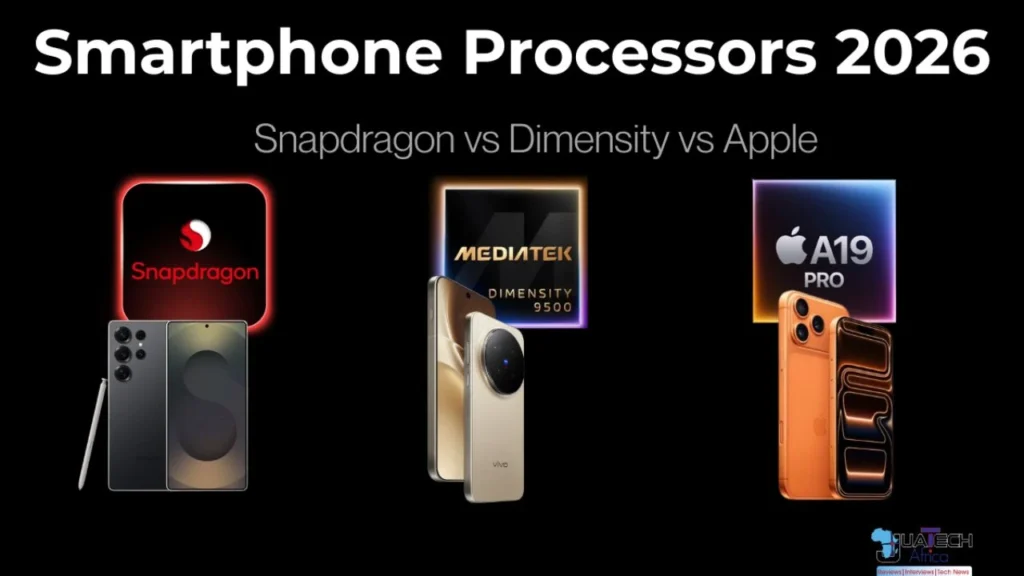
- The processor, also known as the chipset or System-on-a-Chip (SoC), is the heart of every smartphone. It determines how quickly apps open, how smoothly games run, how efficiently the camera processes images, and how well the battery performs throughout the day. Even the most beautiful smartphone can feel slow if it is powered by an outdated or underpowered processor.
- When comparing smartphones, don’t focus only on RAM or camera specifications. A powerful processor improves multitasking, AI features, gaming, video editing, and overall responsiveness. It also contributes to better battery efficiency because modern chipsets are designed using smaller manufacturing processes that consume less power while delivering higher performance.
Snapdragon Processors
- Qualcomm’s Snapdragon processors are among the most popular chipsets in Android smartphones. They are known for delivering a balance of speed, graphics performance, AI capabilities, and battery efficiency. Flagship Snapdragon processors power many premium smartphones, while the Snapdragon 7 and Snapdragon 6 series provide excellent performance for mid-range and budget devices.
- One of Snapdragon’s biggest advantages is its graphics processing capability. Mobile gamers often prefer Snapdragon-powered smartphones because they provide smoother frame rates, better thermal management, and improved compatibility with demanding games. Many Snapdragon chipsets also support advanced camera technologies, faster AI processing, and efficient 5G connectivity, making them suitable for users who expect premium performance.
MediaTek Processors
- MediaTek has become a strong competitor in the smartphone market by offering impressive performance at competitive prices. The latest Dimensity series processors deliver flagship-level speed while maintaining excellent battery efficiency. Many mid-range smartphones now use MediaTek chipsets because they provide outstanding value for money.
- MediaTek processors are particularly appealing to users looking for high performance without paying flagship prices. They support AI photography, fast charging, high-refresh-rate displays, and advanced connectivity features. In recent years, MediaTek has significantly improved gaming performance, making many of its processors suitable for both casual and competitive mobile gaming.
Apple Chips
- Apple designs its own processors exclusively for iPhones, allowing the company to optimize hardware and software together. This close integration results in exceptional speed, smooth multitasking, efficient battery usage, and industry-leading performance in many real-world tasks.
- Apple chips also excel in photography, video editing, and artificial intelligence. Features such as computational photography, real-time video processing, and advanced machine learning benefit directly from Apple’s powerful silicon. Even older iPhones continue to perform well for years because Apple provides long-term software updates optimized specifically for its hardware.
- When selecting a smartphone, avoid comparing processors based solely on benchmark scores. Real-world performance, software optimization, and long-term support are equally important factors that influence the overall user experience.
How Much RAM and Storage Do You Need?
- RAM and storage are two of the most misunderstood smartphone specifications. Many buyers assume that the highest numbers automatically mean the best performance, but that is not always true. Choosing the right combination depends on how you use your smartphone every day.
- A balanced smartphone with an efficient processor, sufficient RAM, and adequate storage will often deliver a better experience than a device with excessive specifications but poor software optimization. Understanding your usage habits helps you avoid overspending while ensuring smooth performance for years.
RAM Guide
- RAM temporarily stores information that active apps need to run quickly. More RAM allows your smartphone to keep multiple applications open simultaneously without slowing down. If you frequently switch between apps, edit photos, attend video meetings, or play demanding games, having sufficient RAM significantly improves responsiveness.
- For light users who mainly browse the internet, use messaging apps, and watch videos, 6GB RAM is generally sufficient. Those who multitask regularly or enjoy moderate gaming should consider 8GB RAM, while 12GB RAM or more is ideal for heavy gaming, content creation, and professional workloads.
- Keep in mind that software optimization matters just as much as RAM capacity. A well-optimized smartphone with slightly less RAM may outperform another device with more memory but inefficient software.
Storage Guide
- Storage determines how many apps, photos, videos, games, and documents your smartphone can hold. Running out of storage can negatively affect performance, making regular management important.
- For most users, 128GB of storage offers a comfortable balance between affordability and capacity. Users who frequently record high-resolution videos, install large games, or store thousands of photos may benefit from 256GB or 512GB of internal storage.
- Cloud storage can supplement internal memory, but it should not completely replace local storage. Having enough built-in storage ensures faster access to files and allows your smartphone to perform efficiently even without an internet connection.
Choosing the Best Display
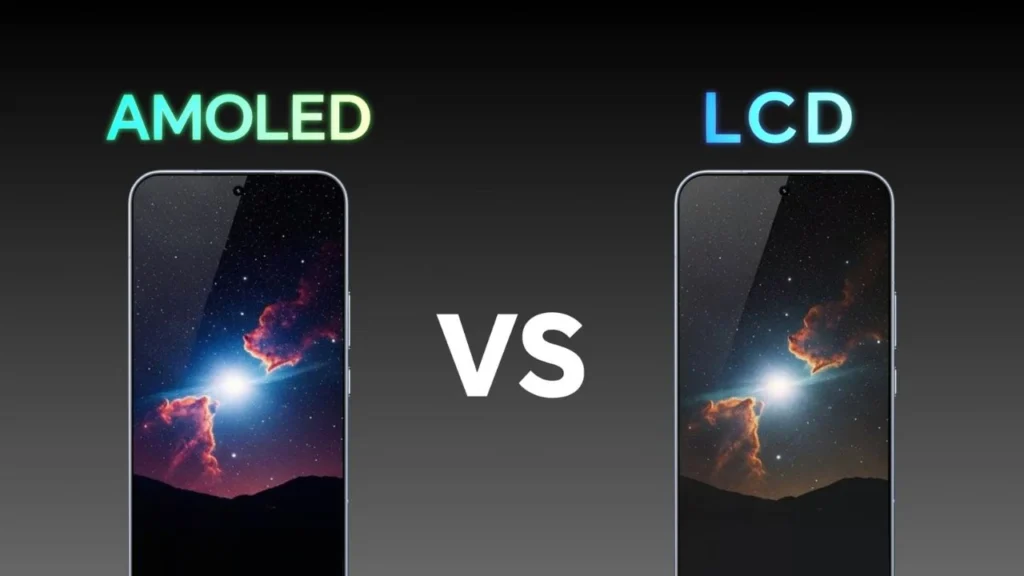
- The display is one of the most important parts of any smartphone because it affects everything you do, from reading messages and browsing websites to watching movies and playing games. A high-quality screen enhances visual comfort, improves color accuracy, and creates a more enjoyable overall experience.
- When evaluating displays, don’t focus only on screen size. Resolution, brightness, color accuracy, refresh rate, and panel technology all contribute to image quality. Choosing the right display depends on how you use your smartphone every day.
AMOLED vs OLED vs LCD
- AMOLED and OLED displays are widely regarded as the best smartphone screen technologies. They produce deeper blacks, richer colors, better contrast, and improved energy efficiency because individual pixels can turn off completely when displaying black content.
- These displays also provide excellent viewing angles and superior outdoor visibility, making them ideal for watching videos, editing photos, and enjoying HDR content. Many premium smartphones use AMOLED panels because they deliver an immersive viewing experience while helping conserve battery life.
- LCD displays remain common in budget smartphones. Although they generally cannot match OLED technology in contrast and color depth, modern IPS LCD panels still provide sharp images, accurate colors, and good brightness for everyday tasks. For users with limited budgets, a quality LCD display remains a practical choice.
Refresh Rate
- Refresh rate refers to how many times the display updates every second. Traditional smartphone screens operate at 60Hz, while newer devices commonly feature 90Hz, 120Hz, or even higher refresh rates.
- Higher refresh rates make scrolling, animations, gaming, and navigation appear much smoother. Once you experience a 120Hz display, returning to a standard 60Hz screen often feels noticeably less fluid.
- However, higher refresh rates can consume more battery power. Many modern smartphones intelligently adjust refresh rates based on the displayed content, balancing smooth performance with battery efficiency.
- When comparing displays, also consider brightness levels, HDR support, eye comfort features, and durability. These factors contribute significantly to long-term satisfaction.
Camera Features That Matter
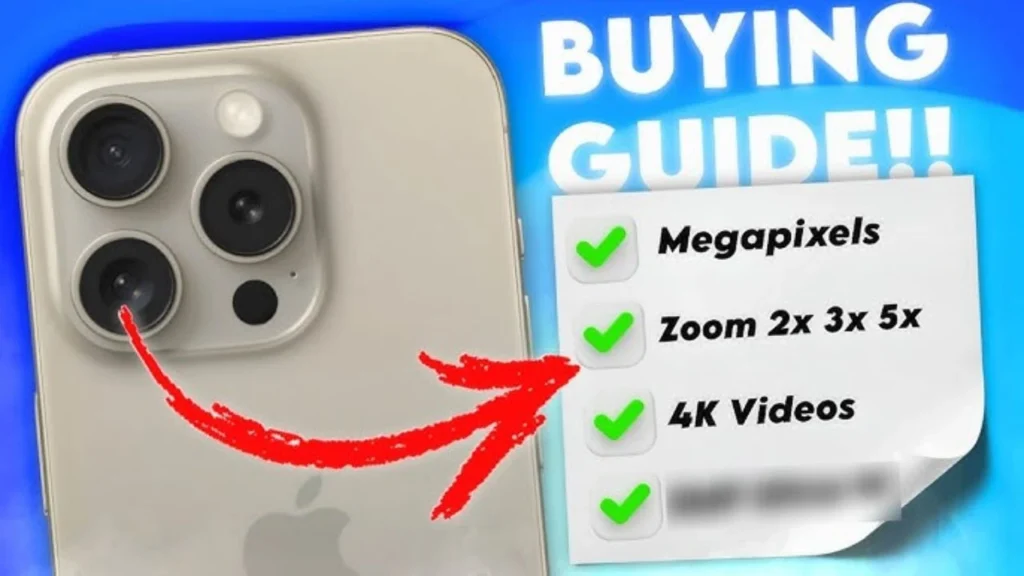
- For many buyers, camera quality is one of the most important factors when choosing a smartphone. However, selecting the best camera phone involves much more than simply comparing megapixel numbers. Modern smartphone photography depends on a combination of hardware, software, artificial intelligence, and image processing.
- A smartphone with fewer megapixels but better sensors and software optimization can easily produce more detailed and natural-looking photos than another device with a much higher megapixel count. Understanding the key camera components helps you make a smarter purchasing decision.
Main Camera
- The main camera is responsible for capturing most of your photos and videos. A larger image sensor generally captures more light, producing brighter images with improved detail and reduced noise, particularly in low-light environments.
- Features such as Optical Image Stabilization (OIS), larger apertures, and advanced image processing improve sharpness while reducing blur during handheld photography. These technologies are especially valuable for night photography and video recording.
- Instead of focusing only on megapixels, consider how well the camera performs in different lighting conditions. Daylight photography, indoor images, and nighttime performance all contribute to the overall camera experience.
Ultra-Wide Camera
- Ultra-wide cameras allow you to capture landscapes, architecture, travel photos, and large group pictures without needing to step farther away from your subject. A quality ultra-wide lens should maintain accurate colors, minimal distortion, and good edge sharpness.
- While many smartphones now include ultra-wide cameras, image quality varies significantly. Premium models often deliver much better dynamic range and color consistency than cheaper alternatives.
Telephoto Camera
- A telephoto camera provides optical zoom, allowing you to capture distant subjects without sacrificing image quality. Unlike digital zoom, optical zoom uses dedicated camera hardware to preserve details and reduce image degradation.
- Users interested in wildlife, sports, travel, or portrait photography often benefit greatly from a quality telephoto lens. Higher-end smartphones may also include advanced periscope zoom systems capable of impressive long-distance photography.
AI Photography
- Artificial Intelligence has transformed smartphone photography. AI algorithms automatically recognize scenes, optimize colors, improve exposure, enhance portraits, reduce image noise, and increase dynamic range with minimal user input.
- Modern AI-powered cameras also improve video stabilization, object tracking, facial recognition, and computational photography. These features help users capture professional-looking images even without photography experience.
- While AI enhances convenience, natural image quality still depends heavily on the camera sensor, processor, and software optimization working together.
Battery Life and Charging
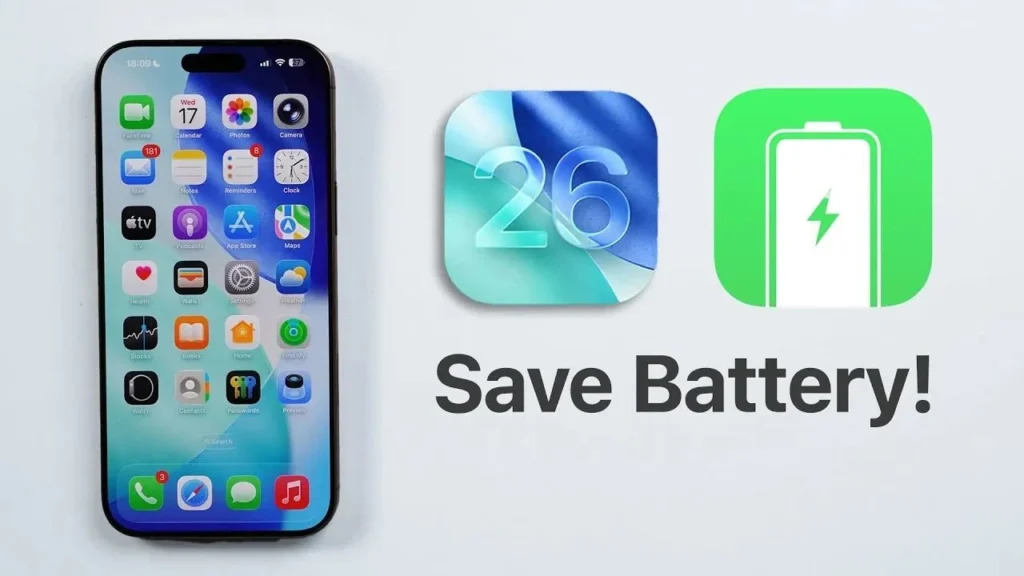
- Battery life is one of the most important factors to consider when buying a smartphone. Even the fastest processor or the best camera becomes less useful if your phone constantly needs recharging. Fortunately, modern smartphones are more power-efficient than ever, thanks to improved processors, AI-powered battery management, and optimized operating systems.
- A good smartphone should comfortably last an entire day with regular use. However, battery performance depends on several factors, including display brightness, processor efficiency, refresh rate, background applications, and network usage. Instead of looking only at battery size, evaluate how efficiently the phone manages power in real-world situations.
Battery Capacity
- Battery capacity is measured in milliamp-hours (mAh). Most modern smartphones include batteries ranging from 4,500mAh to 6,000mAh. A larger battery generally provides longer usage, but software optimization and processor efficiency are equally important.
- For light users who mainly browse the web, check emails, and use messaging apps, a 4,500mAh battery is usually sufficient. Heavy users who enjoy gaming, video streaming, GPS navigation, or content creation should consider smartphones with 5,000mAh or larger batteries.
- Remember that battery health naturally decreases over time. Choosing a smartphone with good battery optimization and long-term software support helps maintain consistent performance throughout its lifespan.
- Long battery life is one of the key factors discussed in our Best Budget Smartphones 2026 article.
Fast Charging
- Fast charging has become a standard feature on many smartphones. Instead of waiting several hours to recharge, modern devices can restore a significant percentage of battery life within minutes.
- If you travel frequently or have a busy lifestyle, fast charging can be extremely convenient. Whether you need a quick top-up before leaving home or during a short break at work, this feature minimizes downtime and keeps your smartphone ready when you need it most.
- When comparing phones, also check whether the required fast charger is included in the box, as some manufacturers sell charging adapters separately.
Wireless Charging
- Wireless charging adds convenience by allowing you to recharge your smartphone without plugging in a cable. Simply placing the phone on a compatible charging pad starts the charging process.
- Although wireless charging is generally slower than wired fast charging, it reduces wear on charging ports and offers a cleaner setup for desks and bedside tables. Premium smartphones often support faster wireless charging along with reverse wireless charging, enabling the phone to charge compatible accessories like wireless earbuds or smartwatches.
Connectivity, Security, and Durability
- Modern smartphones are much more than communication devices. They serve as digital wallets, productivity tools, entertainment centers, and personal data storage. Because of this, connectivity options, security features, and durability have become just as important as raw performance.
- Choosing a smartphone with modern connectivity standards and strong security features ensures a better experience both today and in the coming years.
5G Connectivity
- 5G technology provides faster download speeds, lower latency, and improved network capacity compared to previous mobile networks. As 5G coverage continues expanding worldwide, purchasing a 5G-ready smartphone helps future-proof your investment.
- Even if your area currently has limited 5G coverage, buying a compatible device ensures you can take advantage of faster networks as they become more widely available.
Wi-Fi and Bluetooth
- Reliable wireless connectivity is essential for everyday tasks. Newer smartphones support advanced Wi-Fi standards that improve speed, stability, and performance on compatible networks.
- Bluetooth technology has also improved significantly, offering better audio quality, lower latency, and more stable connections for wireless headphones, speakers, smartwatches, and other accessories.
- If you regularly transfer files, use wireless peripherals, or stream media, modern connectivity standards can noticeably improve your overall experience.
Gorilla Glass Protection
- Smartphones are carried everywhere, making durability an important consideration. Many devices feature strengthened display protection designed to resist scratches and accidental drops.
- While no screen is completely unbreakable, reinforced glass significantly reduces the risk of damage during everyday use. Pairing a durable display with a quality protective case and screen protector provides even greater protection.
IP Rating
- An IP rating indicates a smartphone’s resistance to dust and water. Phones with higher ratings offer greater protection against accidental spills, rain, and limited water exposure.
- Although water resistance should never be treated as waterproofing, it provides valuable peace of mind during everyday use. Users who frequently travel or spend time outdoors may especially benefit from choosing a smartphone with a certified IP rating.
Final Smartphone Buying Checklist
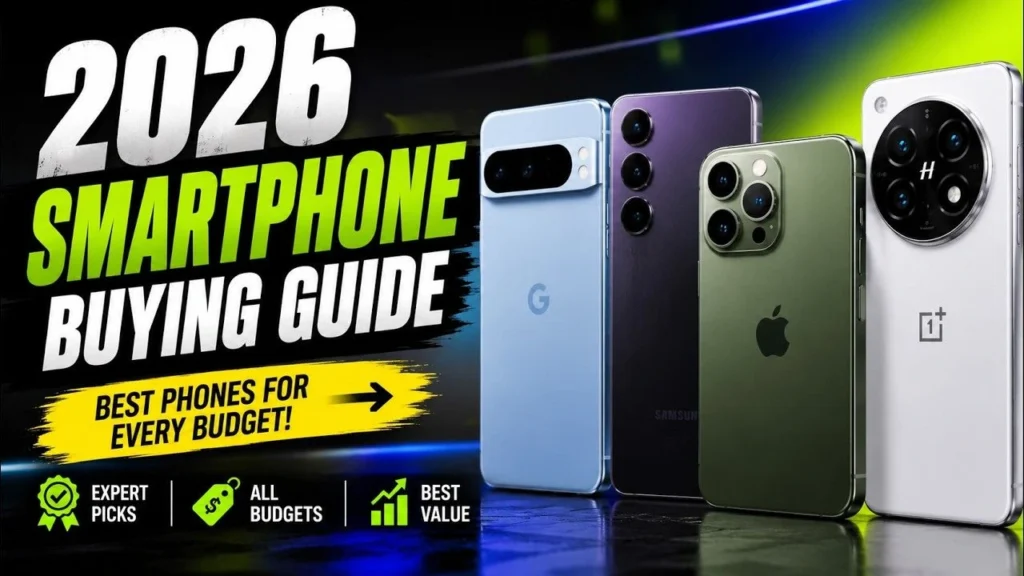
- After comparing dozens of smartphones, it can be difficult to remember which features matter most. Before making your final purchase, review a simple checklist to ensure the device matches your needs rather than simply following the latest trends.
- A thoughtful buying decision often results in greater long-term satisfaction than purchasing the newest or most expensive model available.
Features to Compare
- Before buying your smartphone, compare the following features carefully:
- Processor performance
- RAM capacity
- Internal storage
- Display technology and refresh rate
- Camera quality
- Battery life
- Charging speed
- Software update policy
- Build quality
- Water and dust resistance
- Connectivity options
- Security features
- Warranty coverage
- Overall value for money
- Comparing these specifications side by side makes it much easier to identify which smartphone offers the best balance between price and performance.
Mistakes to Avoid
- Avoid purchasing a smartphone based solely on advertisements or influencer recommendations. Every user has different needs, and the best phone for one person may not be the best choice for another.
- Do not focus only on megapixels, RAM numbers, or benchmark scores. Instead, consider software optimization, long-term updates, battery efficiency, repair availability, and overall user experience.
- Another common mistake is ignoring future storage requirements. Buying a phone with insufficient storage may force you to delete apps and files sooner than expected. Spending slightly more for additional storage often proves worthwhile over the lifespan of the device.
- Finally, always read professional reviews and compare multiple models before making your final decision. Taking extra time during the buying process can prevent expensive regrets later.
Conclusion
- Choosing the right smartphone is not about purchasing the most expensive model or following the latest trends. It is about finding a device that matches your daily lifestyle, budget, and long-term expectations. A well-informed purchase delivers better performance, greater reliability, and improved value throughout the life of the phone.
- This Smartphone Buying Guide 2026 has covered the essential factors every buyer should consider, including budget, operating system, processor, RAM, storage, display, camera quality, battery life, charging technology, connectivity, security, and durability. By understanding these key features, you can confidently compare different smartphones and select the one that best meets your personal and professional needs.
- Technology continues to evolve rapidly, but the principles of smart buying remain the same. Prioritize real-world performance over marketing claims, choose features that align with your usage, and invest in a smartphone that offers long-term software support and dependable quality. Whether you’re shopping for your first smartphone or upgrading to a flagship device, following this guide will help you make a confident and informed decision.
- Before making a final decision, read our guides on Best Smartwatches 2026, Best Wireless Earbuds 2026, and Laptop Buying Guide 2026.
Frequently Asked Questions (FAQs)
1. How do I choose the right smartphone?
- Start by determining your budget and identifying your priorities, such as camera quality, gaming performance, battery life, or productivity features.
2. Is Android better than iPhone?
- Both are excellent platforms. Android offers greater customization and a wider range of devices, while iPhone provides seamless optimization, strong security, and long software support.
3. How much RAM do I need in a smartphone?
- Most users are comfortable with 8GB RAM. Heavy gamers and power users may benefit from 12GB or more, while light users can manage well with 6GB.
4. What storage size is recommended?
- For most users, 128GB is sufficient. If you frequently record videos, install large games, or store many photos, consider 256GB or higher.
5. Which processor is best for smartphones?
- Modern flagship processors from Qualcomm, Apple, and MediaTek all deliver excellent performance. Choose based on your budget and overall smartphone package rather than processor name alone.
6. Is a 120Hz display worth it?
- Yes. A 120Hz display provides smoother scrolling, better gaming responsiveness, and a more premium user experience than a standard 60Hz screen.
7. What battery capacity is ideal?
- A battery between 5,000mAh and 6,000mAh generally offers excellent all-day performance for most users.
8. Should I prioritize camera megapixels?
- No. Sensor quality, image processing, optical stabilization, and software optimization are far more important than megapixel count alone.
9. Is 5G necessary in 2026?
- Yes. Purchasing a 5G smartphone helps future-proof your investment and ensures compatibility with expanding mobile networks.
10. What is the biggest mistake people make when buying a smartphone?
- The most common mistake is buying based on marketing or specifications alone instead of considering long-term software support, real-world performance, battery life, and personal usage needs.
