


Meta Title
Ethical Hacking Guide 2026 | Tools, Skills & Career
Meta Description
Ethical Hacking explained for beginners. Learn tools, skills, certifications, legal basics, and career opportunities in this complete 2026 guide.
Slug
ethical-hacking-guide
Ethical Hacking: Complete Beginner’s Guide (2026
Ethical hacking is the practice of legally testing computer systems, networks, and applications to identify security weaknesses before cybercriminals can exploit them. Unlike malicious hackers who break into systems for personal gain or to cause damage, ethical hackers work with permission from organizations to strengthen their cybersecurity defenses. Their goal is to discover vulnerabilities, assess potential risks, and recommend effective solutions that help protect sensitive data and critical infrastructure.
As cyber threats continue to evolve, ethical hacking has become an essential part of modern cybersecurity. Businesses, government agencies, healthcare organizations, financial institutions, and educational sectors rely on ethical hackers to perform security assessments and penetration testing. By simulating real-world attacks in a controlled environment, they help organizations understand where their security gaps exist and how to fix them before they become costly incidents.
For beginners, ethical hacking offers an exciting opportunity to learn about networking, operating systems, programming, web security, and digital defense. It is not about hacking for illegal purposes but about using technical skills responsibly to improve security. With the right training, hands-on practice, and commitment to continuous learning, ethical hacking can lead to a rewarding career in cybersecurity while contributing to a safer and more secure digital world.
What Is Ethical Hacking?
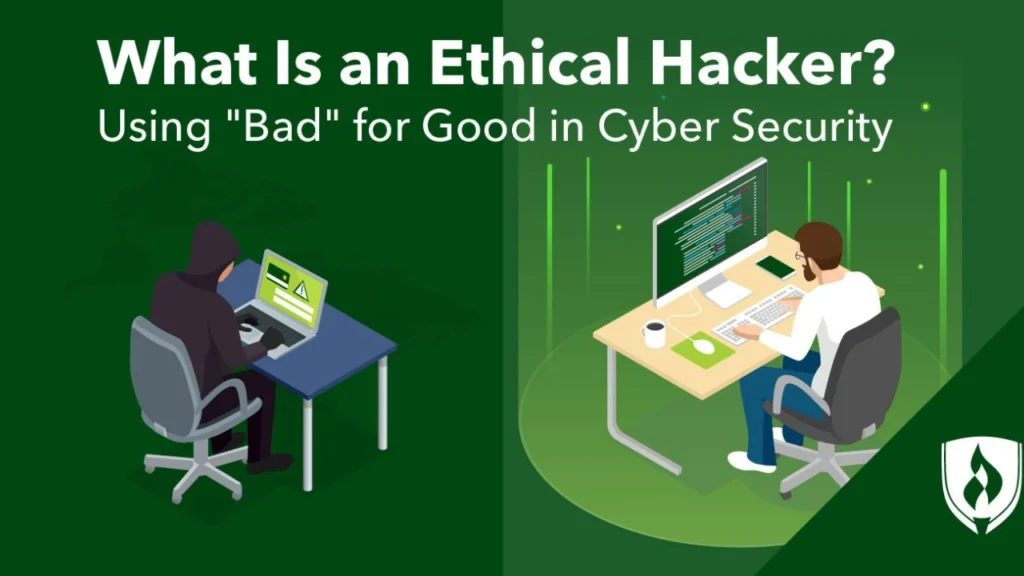
Ethical hacking is the authorized process of testing computer systems, applications, and networks to identify security vulnerabilities before malicious attackers can exploit them. Unlike illegal hacking, ethical hacking is performed with permission from the system owner and follows clearly defined rules of engagement. The primary goal is to improve security by discovering weaknesses early and recommending practical solutions.
Organizations around the world hire ethical hackers to strengthen their cyber defenses. Banks, healthcare providers, government agencies, educational institutions, cloud service providers, and technology companies regularly conduct security assessments to reduce the risk of data breaches, ransomware attacks, and other cyber threats. As cybercrime becomes increasingly sophisticated, ethical hackers play a critical role in protecting digital infrastructure.
Ethical hacking is an important part of modern cybersecurity. If you’re new to online security, you should first understand the fundamentals covered in our Cybersecurity Basics guide.
Definition
An ethical hacker, often called a white hat hacker, is a cybersecurity professional who legally performs penetration testing, vulnerability assessments, and security audits to identify and report security flaws. Rather than exploiting weaknesses for personal gain, ethical hackers document their findings and help organizations fix problems before they become serious security incidents.
Ethical hacking covers many areas of cybersecurity, including network security, web application security, system security, cloud security, mobile application testing, wireless network testing, and social engineering assessments. Each assessment follows a structured methodology designed to evaluate real-world security risks while minimizing operational impact.
Why Ethical Hacking Matters
Cyberattacks can lead to financial losses, business disruption, regulatory penalties, and long-term damage to an organization’s reputation. A single overlooked vulnerability may allow attackers to steal sensitive customer information, install malware, or gain unauthorized access to critical systems. Ethical hacking helps reduce these risks by identifying weaknesses before criminals find them.
Another important advantage is compliance. Many organizations must meet industry standards and regulatory requirements related to information security. Regular penetration testing and vulnerability assessments demonstrate a proactive approach to protecting sensitive data while helping organizations maintain customer trust and meet security obligations.
How Ethical Hacking Works
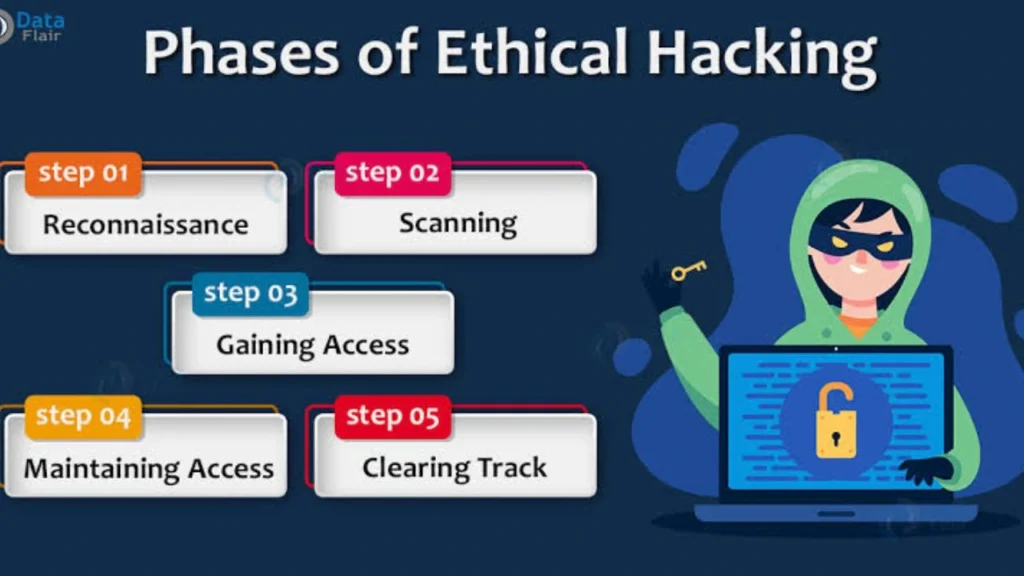
Ethical hacking follows a structured methodology rather than random experimentation. Professional security assessments are carefully planned to ensure testing remains within the authorized scope and minimizes risk to production systems. Each phase builds on the previous one, creating a complete picture of an organization’s security posture.
Although the exact process varies depending on the engagement, most penetration tests include information gathering, vulnerability assessment, controlled exploitation, reporting, and remediation guidance. This systematic approach ensures findings are accurate, repeatable, and actionable.
Information Gathering
Information gathering, also known as reconnaissance, is the first stage of ethical hacking. During this phase, security professionals collect publicly available and authorized information about the target environment. The goal is to understand the organization’s digital footprint before conducting any active testing.
Typical information collected includes domain names, IP addresses, DNS records, publicly accessible services, operating systems, software versions, email formats, and technology stacks. Ethical hackers may also identify internet-facing assets that require additional security review. Thorough reconnaissance often reveals valuable insights that guide the remainder of the assessment.
Vulnerability Assessment
Once enough information has been collected, ethical hackers begin identifying potential weaknesses. Vulnerability assessment involves examining systems for outdated software, insecure configurations, weak authentication mechanisms, missing security patches, exposed services, and known security vulnerabilities associated with Common Vulnerabilities and Exposures (CVEs).
Automated vulnerability scanners can quickly identify common issues, but experienced professionals never rely solely on automated tools. Manual analysis helps eliminate false positives, validate findings, and uncover complex security problems that automated scanners may miss. This combination of automation and expert review produces more reliable results.
Exploitation
Controlled exploitation verifies whether identified vulnerabilities can actually be used to compromise a system. This phase is performed only with explicit authorization and follows strict rules designed to prevent unnecessary disruption. Successful exploitation demonstrates the real-world impact of a vulnerability and helps organizations prioritize remediation efforts.
For example, an ethical hacker may demonstrate that a weak password policy allows unauthorized access to a test account or verify that an improperly configured web application is vulnerable to SQL Injection or Cross-Site Scripting (XSS). The objective is not to cause damage but to provide evidence that security improvements are necessary.
Reporting and Remediation
A penetration test is only as valuable as the report it produces. Ethical hackers prepare detailed reports explaining each vulnerability, its severity, potential business impact, supporting evidence, and recommended remediation steps. Clear reporting enables technical teams and management to understand security risks and prioritize corrective actions.
Remediation often includes applying security patches, strengthening authentication, improving firewall rules, implementing secure coding practices, updating software, removing unnecessary services, and improving system configurations. Many organizations perform follow-up testing after remediation to confirm that vulnerabilities have been successfully resolved.
Types of Ethical Hackers
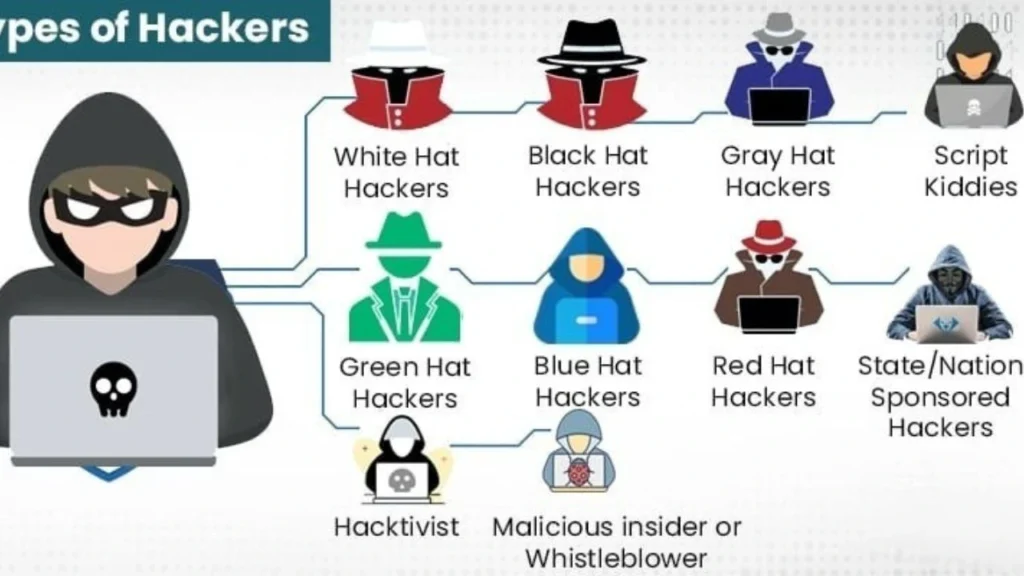
Not every cybersecurity professional performs the same role. Ethical hackers often specialize in different areas depending on their expertise, industry, and responsibilities. Understanding these roles helps organizations select the right professionals for specific security assessments.
Although the terms “hacker” and “ethical hacker” are sometimes used interchangeably, intent and authorization define the difference. Ethical hackers operate legally and ethically, whereas unauthorized hacking remains illegal regardless of technical skill.
White Hat Hackers
White hat hackers are authorized security professionals who use their technical expertise to protect systems rather than attack them. They conduct penetration testing, vulnerability assessments, security audits, and risk evaluations for organizations seeking to improve cybersecurity.
Many white hat hackers work as penetration testers, cybersecurity consultants, security analysts, or members of internal security teams. Their work often includes documenting vulnerabilities, verifying remediation efforts, developing security recommendations, and supporting incident response activities.
Gray Hat Hackers
Gray hat hackers occupy a controversial middle ground. They may identify vulnerabilities without prior authorization but generally do not intend to exploit them for financial gain. In some cases, they disclose vulnerabilities to organizations after discovery, hoping the issues will be fixed.
Despite positive intentions, unauthorized testing can still violate laws, company policies, or contractual agreements. For this reason, organizations strongly encourage responsible vulnerability disclosure programs and bug bounty initiatives that provide clear legal guidelines for security researchers.
Black Hat Hackers
Black hat hackers perform unauthorized activities for malicious purposes such as stealing data, distributing ransomware, committing financial fraud, conducting espionage, or disrupting business operations. Their actions often result in significant financial and reputational damage to organizations.
Ethical hackers study many of the same attack techniques used by black hat hackers, but the purpose is entirely different. Understanding attacker methodologies allows defenders to strengthen security controls, detect threats more effectively, and reduce organizational risk before real attacks occur.
Types of Ethical Hacking
Ethical hacking is a broad field that covers multiple areas of cybersecurity. Modern organizations use a wide range of technologies, including on-premises servers, cloud platforms, mobile devices, wireless networks, and web applications. Because every environment has unique security challenges, ethical hackers often specialize in one or more areas of security testing.
Each type of ethical hacking focuses on identifying vulnerabilities before attackers can exploit them. While the tools and techniques vary, the objective remains the same: improve security, reduce risk, and help organizations protect valuable information.
Network Hacking
Network penetration testing evaluates the security of wired and wireless networks. Ethical hackers examine routers, switches, firewalls, servers, VPNs, and other connected devices to identify weaknesses that could allow unauthorized access.
Common activities include port scanning, service enumeration, network mapping, configuration reviews, and vulnerability assessments. Ethical hackers also verify whether security controls such as firewalls, intrusion detection systems, and network segmentation are functioning correctly. A well-secured network reduces the risk of data breaches, malware infections, and unauthorized access.
Key Areas Tested
- Open ports
- Weak firewall rules
- Network segmentation
- Remote access security
- VPN configurations
- Password policies
- Outdated network services
Web Application Testing
Web applications are among the most common targets for cybercriminals because they often handle sensitive customer information, payment data, and business operations. Ethical hackers assess websites and web applications to identify vulnerabilities that attackers could exploit.
Testing focuses on authentication, session management, input validation, access controls, APIs, file uploads, and database interactions. Security professionals commonly reference the OWASP Top 10, a widely recognized list of the most critical web application security risks.
Typical vulnerabilities include:
- SQL Injection
- Cross-Site Scripting (XSS)
- Broken Authentication
- Cross-Site Request Forgery (CSRF)
- Security Misconfiguration
- Sensitive Data Exposure
- Broken Access Control
Identifying these issues early helps developers improve application security before deployment.
Mobile Security Testing
Mobile applications have become an essential part of everyday life, making their security increasingly important. Ethical hackers evaluate Android and iOS applications to identify weaknesses that may expose user data or compromise device security.
Security testing includes reviewing application permissions, local data storage, authentication mechanisms, encrypted communications, and backend APIs. Ethical hackers also assess whether sensitive information such as passwords, tokens, or personal data is stored securely.
With mobile banking, healthcare, and e-commerce applications handling large volumes of confidential information, mobile security testing plays a vital role in protecting users and businesses alike.
Cloud Security Testing
Cloud computing has transformed how organizations manage infrastructure and applications. While cloud providers secure the underlying infrastructure, customers remain responsible for properly configuring their cloud environments.
Ethical hackers assess cloud services for issues such as:
- Misconfigured storage buckets
- Excessive user permissions
- Weak identity and access management
- Insecure APIs
- Poor encryption practices
- Publicly exposed services
- Improper logging and monitoring
Cloud security assessments help organizations maintain compliance while reducing the risk of accidental data exposure.
Wireless Security
Wireless networks provide convenience but also introduce unique security risks if not configured properly. Ethical hackers evaluate Wi-Fi networks to ensure encryption, authentication, and access controls meet current security standards.
Testing may involve reviewing wireless encryption methods, identifying unauthorized access points, evaluating guest network isolation, and assessing password strength. Proper wireless security reduces the likelihood of unauthorized network access and protects connected devices from interception.
Best Ethical Hacking Tools
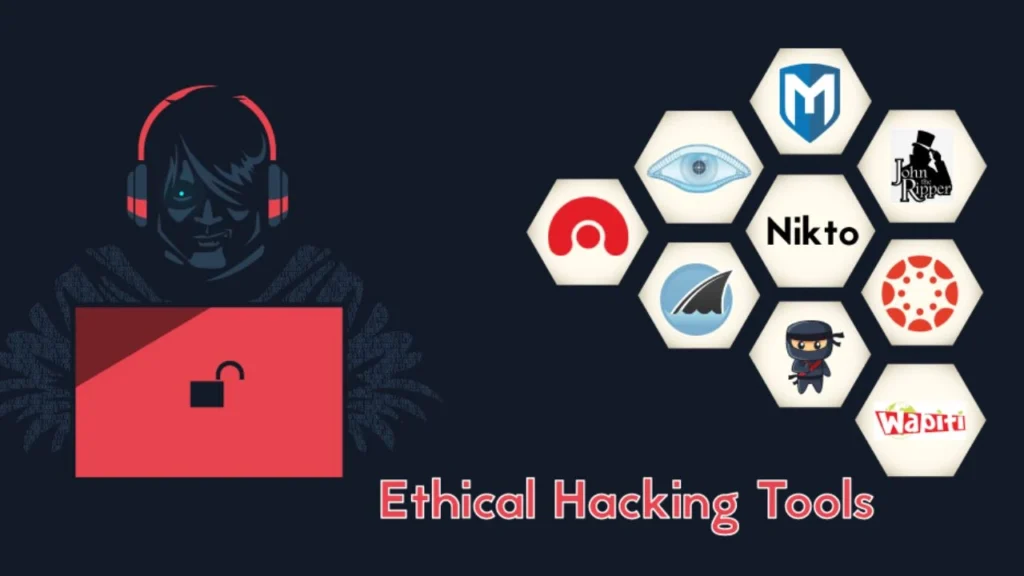
Professional ethical hackers rely on specialized software to gather information, identify vulnerabilities, analyze network traffic, and validate security findings. While tools improve efficiency, they do not replace technical knowledge or critical thinking. Understanding when and how to use each tool is just as important as knowing its features.
Below are some of the most widely used ethical hacking tools in cybersecurity.
Kali Linux
Kali Linux is one of the most popular operating systems for penetration testing and security research. Built specifically for cybersecurity professionals, it includes hundreds of pre-installed security tools covering network analysis, wireless testing, digital forensics, password auditing, and vulnerability assessment.
Its flexibility allows ethical hackers to customize their testing environments while benefiting from a large community and regular updates. Although Kali Linux is designed for security testing, it should only be used on systems where explicit permission has been granted.
Nmap
Nmap (Network Mapper) is one of the most powerful network scanning tools available. It enables ethical hackers to discover active hosts, identify open ports, detect running services, and gather information about operating systems.
Network administrators also use Nmap for inventory management and security audits. The information collected during scanning helps security professionals understand the attack surface before performing more detailed assessments.
Wireshark
Wireshark is a packet analyzer used to capture and inspect network traffic in real time. It helps security professionals troubleshoot network problems, analyze suspicious activity, and understand how protocols communicate.
By examining packet-level data, ethical hackers can identify misconfigurations, insecure protocols, communication errors, and unusual network behavior that may indicate security issues.
Burp Suite
Burp Suite is one of the most widely used web application security testing platforms. It provides tools for intercepting HTTP requests, modifying traffic, analyzing sessions, and manually testing web application security.
Security professionals frequently use Burp Suite during penetration tests to identify vulnerabilities in authentication systems, session handling, APIs, and application logic. Its flexibility makes it valuable for both beginners and experienced penetration testers.
Metasploit Framework
The Metasploit Framework provides a structured platform for validating known vulnerabilities under authorized conditions. It allows security professionals to verify whether specific vulnerabilities are exploitable and to better understand their potential impact.
Organizations often use Metasploit during internal security assessments, security training, and laboratory environments. Responsible use requires proper authorization and careful planning to avoid disrupting production systems.
Skills Required for Ethical Hacking
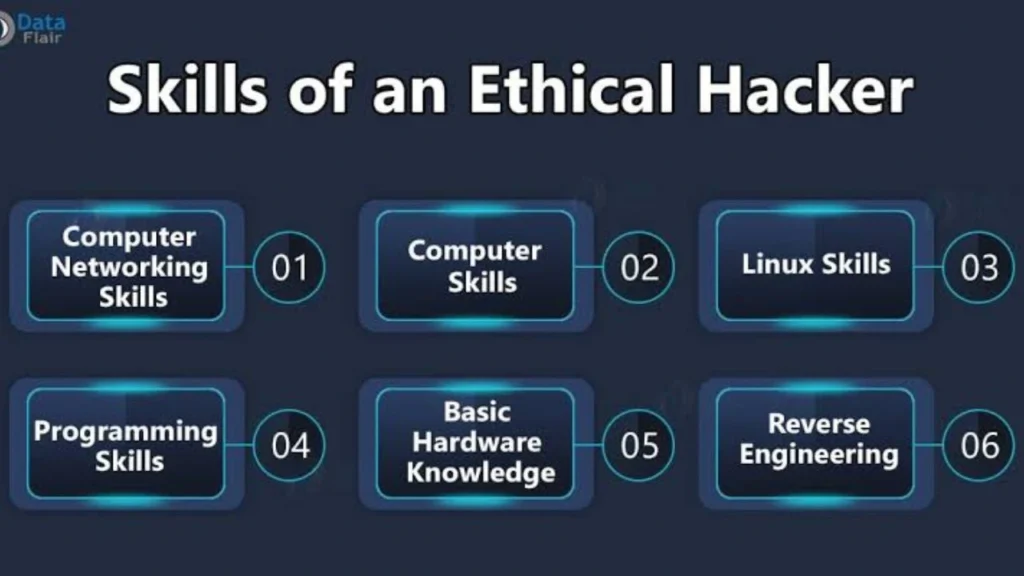
Ethical hacking requires a combination of technical expertise, analytical thinking, and continuous learning. Cybersecurity changes rapidly, and successful professionals regularly update their knowledge to keep pace with evolving threats and technologies.
While no single skill guarantees success, building a strong foundation in networking, operating systems, programming, and security concepts makes learning advanced topics much easier.
Networking
Networking forms the backbone of cybersecurity. Ethical hackers need to understand how devices communicate, how data travels across networks, and how attackers attempt to intercept or manipulate that communication.
Important networking concepts include:
- TCP/IP
- DNS
- HTTP and HTTPS
- Routing and Switching
- Firewalls
- VPNs
- Network Segmentation
- Ports and Protocols
- Packet Analysis
A solid understanding of networking allows ethical hackers to interpret scan results accurately and identify potential attack paths.
Linux
Linux powers a significant portion of servers, cloud infrastructure, and cybersecurity tools. Learning Linux enables ethical hackers to navigate systems efficiently, automate repetitive tasks, and work comfortably in command-line environments.
Essential Linux skills include:
- File management
- User permissions
- Shell commands
- Package management
- Bash scripting
- Service management
- Log analysis
Regular hands-on practice is one of the best ways to build Linux proficiency.
Python
Python has become one of the most valuable programming languages in cybersecurity because of its simplicity and versatility. Ethical hackers use Python to automate repetitive tasks, analyze data, interact with APIs, and develop custom security tools.
Although beginners do not need advanced programming knowledge immediately, understanding basic Python concepts can significantly improve productivity and open the door to more advanced security research.
Web Technologies
Understanding how websites and web applications function is essential for anyone interested in application security. Ethical hackers should be familiar with HTML, CSS, JavaScript, HTTP requests, cookies, sessions, APIs, and database interactions.
Knowledge of web technologies makes it easier to understand vulnerabilities such as SQL Injection, Cross-Site Scripting (XSS), insecure authentication, and improper access control.
Security Fundamentals
Before performing security testing, ethical hackers should understand the core principles of cybersecurity. These concepts provide the foundation for identifying risks and recommending effective security improvements.
Key areas include:
- Authentication
- Authorization
- Encryption
- Risk Assessment
- Security Policies
- Incident Response
- Vulnerability Management
- Malware Analysis
- Digital Forensics
- Secure Coding Principles
Strong fundamentals help ethical hackers understand not only how vulnerabilities occur but also why they matter and how they can be prevented.
Ethical Hacking Certifications
Professional certifications can help validate your cybersecurity knowledge and demonstrate your commitment to learning. While certifications alone do not guarantee a job, they can strengthen your résumé, improve your understanding of security concepts, and make you more competitive in the job market. Many employers use certifications as one factor when evaluating candidates for security-related positions.
The best certification depends on your experience level and career goals. Beginners should focus on building a solid foundation before pursuing advanced penetration testing certifications that require extensive hands-on skills.
CEH (Certified Ethical Hacker)
The Certified Ethical Hacker (CEH) certification is one of the most recognized credentials in the ethical hacking industry. It introduces candidates to penetration testing methodologies, attack vectors, vulnerability assessment, malware concepts, web application security, cloud security, wireless security, and incident response.
CEH is designed to provide a broad understanding of offensive security from a defensive perspective. Although it is respected by many employers, practical experience is equally important. Candidates should supplement certification studies with hands-on practice in legal lab environments to develop real-world skills.
CompTIA Security+
CompTIA Security+ is often recommended as an entry-level cybersecurity certification because it covers a wide range of security fundamentals. Topics include network security, identity management, cryptography, risk management, compliance, incident response, and security operations.
Unlike certifications focused solely on penetration testing, Security+ provides a broader understanding of cybersecurity. It is an excellent starting point for individuals planning careers as security analysts, system administrators, or cybersecurity professionals before specializing in ethical hacking.
OSCP (Offensive Security Certified Professional)
The Offensive Security Certified Professional (OSCP) is widely regarded as one of the most respected practical penetration testing certifications. Rather than relying primarily on multiple-choice questions, it evaluates a candidate’s ability to solve realistic security challenges in a controlled environment.
Preparing for OSCP requires a strong understanding of networking, Linux, Windows, scripting, web application security, and penetration testing techniques. Because of its hands-on nature, it is generally recommended after gaining foundational knowledge and practical experience.
Career Opportunities in Ethical Hacking

As organizations continue to invest in cybersecurity, demand for skilled ethical hackers continues to grow. Businesses across finance, healthcare, education, retail, government, telecommunications, and technology need professionals who can identify vulnerabilities before attackers exploit them.
Ethical hacking is no longer limited to large enterprises. Small businesses, cloud providers, software companies, and managed security service providers also hire cybersecurity professionals to strengthen their security posture and comply with industry regulations.
Salary Expectations
Salaries vary depending on country, experience, certifications, technical skills, industry, and job responsibilities. Entry-level professionals generally earn less than experienced penetration testers or security consultants, while senior specialists and team leaders often command significantly higher salaries.
In countries such as the United States, United Kingdom, Canada, and Australia, cybersecurity professionals typically receive competitive compensation because of the ongoing shortage of skilled talent. Beyond salary, many organizations offer professional development opportunities, certification support, remote work options, and performance bonuses.
Common Job Roles
Ethical hacking skills open the door to a variety of cybersecurity careers. Some professionals focus on technical testing, while others specialize in risk assessment, incident response, or security architecture.
Popular job roles include:
- Ethical Hacker
- Penetration Tester
- Cybersecurity Analyst
- Security Consultant
- Security Engineer
- Vulnerability Assessment Specialist
- Application Security Engineer
- Network Security Engineer
- Cloud Security Engineer
- Security Operations Center (SOC) Analyst
- Incident Response Analyst
- Threat Intelligence Analyst
Many professionals begin with general cybersecurity positions before moving into specialized penetration testing or offensive security roles.
Freelancing and Bug Bounty Programs
Not every ethical hacker works in a traditional full-time position. Freelancing allows experienced professionals to provide penetration testing, vulnerability assessments, and security consulting services to organizations on a contract basis.
Bug bounty programs offer another opportunity to apply security skills legally. Companies invite researchers to identify and responsibly disclose security vulnerabilities in exchange for recognition or monetary rewards. Success in bug bounty programs requires patience, strong technical knowledge, and adherence to each organization’s disclosure policies.
Is Ethical Hacking Legal?
One of the most common questions beginners ask is whether ethical hacking is legal. The answer is yes, but only when it is performed with explicit authorization from the owner of the system or network being tested.
Permission is the key difference between ethical hacking and illegal hacking. Even if your intentions are positive, testing a website, application, or network without authorization may violate laws, regulations, or contractual agreements. Ethical hackers always operate within an approved scope that clearly defines what can and cannot be tested.
Organizations typically establish written agreements before security assessments begin. These agreements specify the systems involved, testing schedule, permitted techniques, reporting requirements, and emergency procedures. Working within these boundaries protects both the organization and the security professional.
For beginners, the safest way to learn is by practicing in dedicated training environments, virtual machines, capture-the-flag (CTF) platforms, and authorized cybersecurity labs. These environments are specifically designed for education and experimentation without risking unauthorized access to real systems.
According to the National Institute of Standards and Technology (NIST), ethical hacking and security testing are essential components of a strong cybersecurity strategy.
Ethical Hacking vs Cybersecurity
Although the terms are often used interchangeably, ethical hacking and cybersecurity are not the same. Ethical hacking is one specialized area within the broader field of cybersecurity.
Cybersecurity focuses on protecting digital systems through policies, technologies, monitoring, risk management, incident response, compliance, secure software development, endpoint protection, identity management, and many other defensive practices. Ethical hacking specifically concentrates on identifying and validating vulnerabilities through authorized security testing.
| Ethical Hacking | Cybersecurity |
| Focuses on finding vulnerabilities | Covers all aspects of digital security |
| Offensive security discipline | Primarily defensive, with offensive components |
| Includes penetration testing | Includes governance, compliance, monitoring, and defense |
| Simulates attacker behavior | Protects systems throughout their lifecycle |
| Specialized career path | Broad professional field |
Rather than competing disciplines, ethical hacking and cybersecurity complement one another. Organizations achieve stronger security when offensive testing and defensive security strategies work together.
Final Thoughts
Ethical hacking plays a vital role in modern cybersecurity by helping organizations discover and address vulnerabilities before malicious actors can exploit them. As cyber threats continue to evolve, businesses increasingly rely on skilled professionals who understand how attackers operate and how to strengthen digital defenses.
For beginners, success starts with building strong fundamentals in networking, Linux, operating systems, web technologies, and cybersecurity principles. From there, learning programming, practicing in authorized lab environments, earning relevant certifications, and staying current with emerging threats will help you develop into a capable security professional.
Remember that ethical hacking is built on responsibility, legality, and professionalism. Technical skills are important, but integrity, continuous learning, and respect for legal boundaries are what distinguish an ethical hacker from a malicious attacker. By following these principles, you can build valuable expertise while contributing to a safer digital world.
Frequently Asked Questions (FAQs)
1. What is ethical hacking?
Ethical hacking is the authorized practice of identifying and testing security vulnerabilities in computer systems, networks, and applications. Ethical hackers work with permission from the system owner to improve security, reduce cyber risks, and help organizations prevent attacks before they occur.
2. Is ethical hacking legal?
Yes. Ethical hacking is legal when performed with explicit authorization from the owner of the system being tested. Conducting security testing without permission may violate laws or organizational policies, regardless of intent.
3. How do beginners start learning ethical hacking?
Beginners should begin by learning computer fundamentals, networking, Linux, Windows administration, and basic programming. After building these foundations, they can practice in legal training environments, study cybersecurity concepts, and gradually explore penetration testing techniques.
4. Which ethical hacking tool is best?
There is no single best tool because different tools serve different purposes. Popular choices include Kali Linux for penetration testing, Nmap for network discovery, Wireshark for packet analysis, Burp Suite for web application testing, and Metasploit Framework for validating vulnerabilities.
5. Do I need programming for ethical hacking?
Programming is helpful but not mandatory when starting. Learning Python is highly recommended because it supports automation, scripting, and security tool development. Knowledge of Bash, PowerShell, SQL, and JavaScript also becomes valuable as your skills progress.
6. What skills are most important for ethical hacking?
Strong networking knowledge, Linux administration, operating system fundamentals, cybersecurity principles, web technologies, problem-solving abilities, and communication skills are among the most important skills for ethical hackers.
7. How long does it take to become an ethical hacker?
The learning timeline varies depending on your background, study schedule, and practical experience. Building a solid foundation may take several months, while developing advanced penetration testing skills often requires continuous learning and hands-on practice over several years.
8. Is CEH certification worth it?
CEH is widely recognized and can strengthen your résumé, particularly for entry-level cybersecurity roles. However, certifications should be combined with practical experience and continuous learning to demonstrate real-world capability.
9. What industries hire ethical hackers?
Ethical hackers are employed across finance, healthcare, government, education, technology, telecommunications, retail, cloud computing, manufacturing, and many other industries that rely on secure digital systems.
10. What is the difference between ethical hacking and penetration testing?
Penetration testing is a specific type of authorized security assessment that attempts to exploit vulnerabilities to evaluate risk. Ethical hacking is a broader discipline that includes penetration testing, vulnerability assessments, security research, and other authorized activities designed to improve cybersecurity.
