


Meta Description
Cyber Security explained for beginners. Learn how to protect your devices, data, and online accounts with essential cyber security tips, tools, and best practices.
URL Slug:
cyber-security-guide
Cyber Security: Complete Beginner’s Guide (2026)
Introduction
Cyber Security has become one of the most important aspects of modern life. Whether you browse social media, shop online, manage your finances, or work remotely, your digital activities generate valuable information that cybercriminals constantly try to exploit. As technology evolves, cyber attacks become more sophisticated, making it essential for individuals, businesses, and governments to understand how to protect their digital assets.
This comprehensive Cyber Security guide is designed for beginners and anyone looking to strengthen their online safety. You’ll learn what cyber security is and why it is important, discover the most common cyber security threats, explore different types of cyber security, and understand the tools and best practices that professionals use to defend against attacks. By the end of this guide, you’ll have a solid understanding of information security, digital security, and practical strategies to stay safe in today’s connected world
If you’re interested in cybersecurity careers, start with our complete guide to Ethical Hacking.
What Is Cyber Security?
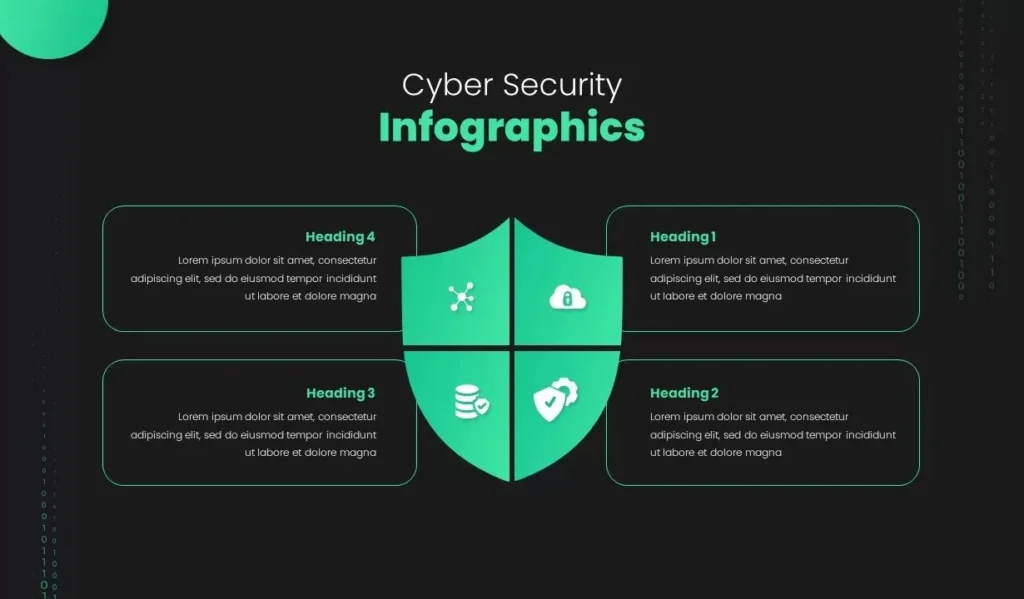
Cyber Security refers to the practice of protecting computers, servers, mobile devices, networks, cloud environments, applications, and digital information from unauthorized access, cyber attacks, and data breaches. It combines technology, security policies, user awareness, and continuous monitoring to defend against evolving threats. Every organization, from small businesses to multinational enterprises, depends on strong cyber security solutions to safeguard sensitive information and maintain customer trust.
Unlike traditional physical security, cyber security focuses on protecting digital assets from online threats. It includes multiple layers of defense such as firewalls, antivirus software, encryption, authentication, vulnerability assessment, and incident response. Effective online security is not achieved through a single tool but by combining technology, processes, and educated users who understand safe digital practices.
Definition
Cyber Security is a broad discipline that encompasses information security, network security, application security, cloud security, endpoint security, and identity management. Its primary objective is to maintain the confidentiality, integrity, and availability of digital information, often referred to as the CIA Triad. Confidentiality ensures that only authorized users can access data, integrity protects data from unauthorized modification, and availability guarantees that systems remain accessible whenever needed.
Security professionals rely on frameworks developed by organizations such as NIST, CISA, OWASP, and MITRE ATT&CK to identify risks, evaluate vulnerabilities, and implement effective defense strategies. These frameworks provide industry-recognized guidance for securing systems against modern cyber threats.
Why Cyber Security Matters
Every day, billions of emails, financial transactions, and online communications take place across the internet. Unfortunately, cybercriminals use advanced malware, phishing campaigns, ransomware, and social engineering attacks to steal credentials, compromise systems, and extort victims. Without proper cyber security awareness, individuals can lose personal information, while organizations may suffer financial losses, legal penalties, and reputational damage.
Cyber Security also supports the growing digital economy. Healthcare organizations protect patient records, banks secure financial transactions, governments defend critical infrastructure, and businesses safeguard customer information. As cloud computing, artificial intelligence, and remote work continue to expand, cyber security becomes increasingly important for maintaining trust, privacy, and business continuity.
Why Is Cyber Security Important?

Cyber Security is essential because our personal and professional lives rely heavily on digital technology. Smartphones, laptops, cloud storage, online banking, and connected devices all contain valuable information that can become a target for cybercriminals. A single successful cyber attack may expose confidential data, interrupt business operations, or result in significant financial losses. Investing in cyber security today is far less costly than recovering from a major security breach tomorrow.
Modern cyber attacks affect organizations of every size. Small businesses are particularly vulnerable because they often lack dedicated security teams or advanced security infrastructure. Individuals also face increasing risks from identity theft, online fraud, fake websites, and malicious software. Following cyber security best practices helps reduce these risks while protecting valuable digital assets.
Protecting Personal Data
Personal information such as passwords, banking credentials, medical records, government identification numbers, and private communications has become highly valuable to cybercriminals. Once stolen, this information may be sold on illegal marketplaces or used for identity theft and financial fraud. Strong password security, multi-factor authentication, and encrypted communication significantly reduce these risks.
Maintaining good cyber security habits also protects your digital privacy. Regular software updates, secure Wi-Fi networks, password managers, and antivirus software help prevent attackers from exploiting known vulnerabilities. These simple practices create multiple layers of defense against common cyber security threats.
Preventing Financial Loss
Financial damage is one of the most visible consequences of cyber attacks. Businesses may lose millions through ransomware attacks, fraudulent transactions, operational downtime, legal expenses, and regulatory fines. Individuals can also experience unauthorized bank transfers, stolen credit card information, or cryptocurrency theft.
Implementing strong security controls such as firewalls, endpoint protection, continuous monitoring, and threat detection minimizes financial risk. Regular backups and incident response planning ensure that organizations can recover quickly if an attack occurs.
Business Security
Businesses store valuable intellectual property, customer databases, financial records, and operational information. A successful cyber attack can disrupt production, damage customer trust, and lead to long-term reputational harm. Organizations therefore implement comprehensive risk management strategies that include security audits, vulnerability assessments, employee training, and compliance with recognized security standards.
Cyber security awareness training is equally important because many attacks begin with human error. Employees who recognize phishing emails, suspicious attachments, and social engineering attempts become the first line of defense against cyber threats.
Types of Cyber Security
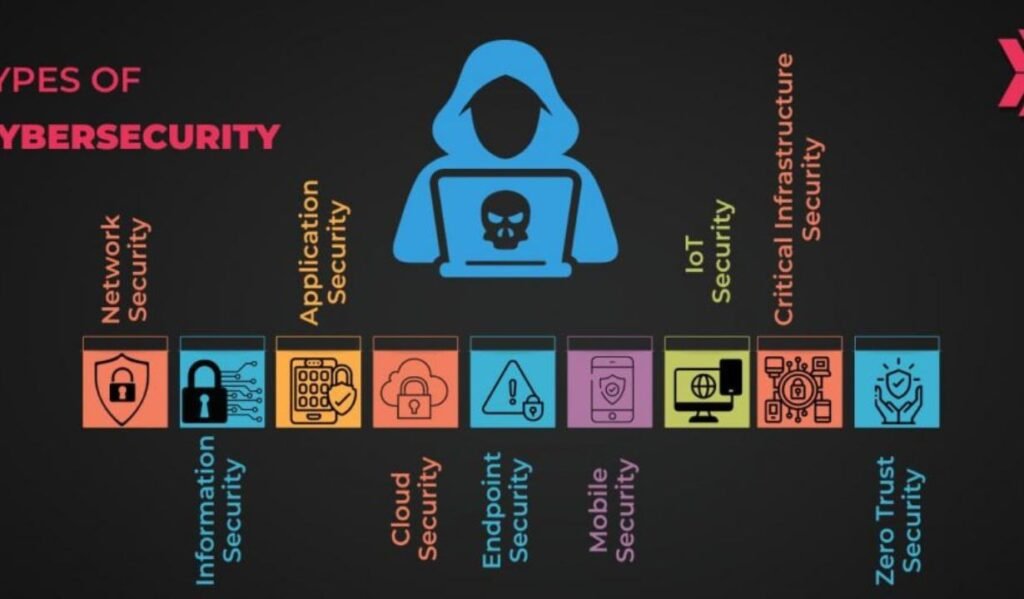
Cyber Security consists of several specialized areas that work together to create a comprehensive defense strategy. Each type focuses on protecting different components of an organization’s digital environment. Understanding these categories helps beginners appreciate how layered security reduces risk and improves resilience against modern cyber attacks.
No single security solution can stop every threat. Instead, organizations combine multiple security technologies, monitoring systems, and policies to create a defense-in-depth strategy. This layered approach ensures that if one security control fails, additional safeguards continue protecting critical assets.
Network Security
Network security focuses on protecting computer networks from unauthorized access, malware infections, and cyber attacks. Security professionals deploy firewalls, intrusion detection systems, virtual private networks (VPNs), network segmentation, and continuous traffic monitoring to secure internal and external communications.
Modern organizations also implement Zero Trust architecture, which assumes that no device or user should automatically be trusted. Every access request requires authentication and authorization, significantly reducing opportunities for attackers to move laterally within a network after gaining initial access.
Cloud Security
Cloud computing has transformed how organizations store data and deliver services. Cloud security protects applications, virtual machines, storage, and cloud infrastructure against unauthorized access and data breaches. Security measures include encryption, identity management, secure APIs, access control, and continuous compliance monitoring.
Leading cloud providers also offer advanced security services that help organizations detect suspicious activity, automate threat detection, and strengthen digital resilience across cloud environments.
Application Security
Application security focuses on protecting software throughout its development lifecycle. Developers implement secure coding practices, perform vulnerability assessments, penetration testing, and regular software updates to minimize security weaknesses before applications are released.
Organizations often follow OWASP guidelines to defend against common web application vulnerabilities such as SQL injection, cross-site scripting (XSS), broken authentication, and insecure configuration. Secure application development significantly reduces the likelihood of successful cyber attacks targeting business software.
Endpoint Security
Endpoint security focuses on protecting individual devices such as desktops, laptops, smartphones, tablets, and servers that connect to a network. Every connected device serves as a potential entry point for cybercriminals, making endpoint protection one of the most important components of a modern Cyber Security strategy. As organizations embrace remote work and bring-your-own-device (BYOD) policies, securing endpoints has become more challenging than ever.
Modern endpoint security solutions go far beyond traditional antivirus software. They use artificial intelligence, behavior analysis, threat detection, and real-time monitoring to identify suspicious activities before they cause damage. Combined with security policies, automatic software updates, and encryption, endpoint security significantly reduces the risk of malware infections, ransomware attacks, and unauthorized access.
Why Endpoint Security Matters
Cyber attackers often target vulnerable devices because they are easier to compromise than well-protected servers. Once an endpoint is infected, attackers may steal sensitive information, spread malware across the network, or install ransomware that locks important files.
Organizations deploy advanced endpoint detection and response (EDR) solutions to continuously monitor device activity, detect anomalies, isolate infected systems, and support rapid incident response. These capabilities improve digital resilience and minimize business disruption after a cyber attack.
Mobile Security
Mobile devices have become essential for communication, banking, shopping, and remote work. However, smartphones and tablets store valuable personal and business information, making them attractive targets for cybercriminals. Mobile security focuses on protecting these devices from malware, phishing attacks, unauthorized applications, and data theft.
Users often underestimate mobile security risks because they associate cyber attacks primarily with computers. In reality, malicious apps, fake Wi-Fi networks, and phishing messages can compromise mobile devices just as easily. Installing applications only from trusted sources, enabling multi-factor authentication, and keeping operating systems updated are essential cyber security best practices.
Best Practices for Mobile Security
Strong mobile security begins with simple habits. Use biometric authentication or strong PINs, avoid rooting or jailbreaking devices, install security updates promptly, and enable remote device tracking in case your phone is lost or stolen.
Organizations frequently implement Mobile Device Management (MDM) solutions to enforce security policies, encrypt corporate data, and remotely wipe sensitive information if a device is compromised. These measures help protect both employee privacy and business assets.
Common Cyber Security Threats
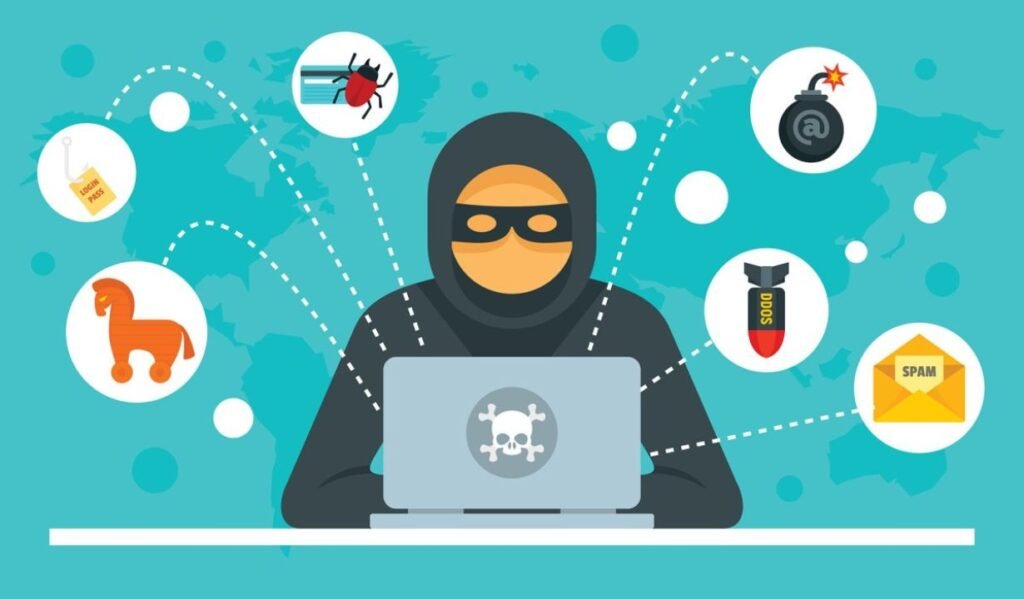
Understanding cyber security threats is one of the most effective ways to reduce risk. Cybercriminals continuously develop new attack methods to exploit software vulnerabilities, deceive users, and bypass traditional security controls. While technology evolves rapidly, many successful attacks still rely on human error rather than technical sophistication.
A strong Cyber Security guide should help users recognize common threats before they become victims. Learning how cyber attacks happen enables individuals and organizations to respond proactively instead of reacting after damage has already occurred.
Malware
Malware is a broad term for malicious software designed to damage systems, steal information, or disrupt operations. It includes viruses, worms, spyware, trojans, adware, and ransomware. Malware often spreads through infected email attachments, malicious downloads, compromised websites, or removable storage devices.
Modern antivirus solutions use signature-based detection, machine learning, and behavioral analysis to identify malware before it executes. Regular software updates and secure browsing habits provide additional protection against malicious programs.
Phishing
Phishing remains one of the most successful cyber attack techniques because it targets human psychology instead of software vulnerabilities. Attackers create convincing emails, fake websites, text messages, or social media accounts that trick users into revealing passwords, banking information, or personal data.
Recognizing suspicious links, verifying sender identities, and avoiding unexpected attachments are among the most effective cyber security tips for preventing phishing attacks. Security awareness training also helps employees identify increasingly sophisticated phishing campaigns.
Ransomware
Ransomware encrypts files and demands payment in exchange for restoring access. Some ransomware groups also steal confidential information before encrypting systems, increasing pressure on victims to pay the ransom.
Organizations defend against ransomware by maintaining secure backups, implementing endpoint security, restricting administrative privileges, and continuously monitoring suspicious activity. A well-prepared incident response plan greatly improves recovery after an attack.
Social Engineering
Social engineering manipulates people into revealing confidential information or performing actions that compromise security. Instead of attacking computers directly, cybercriminals exploit trust, curiosity, fear, or urgency.
Examples include impersonating technical support staff, pretending to be company executives, or creating fake emergency situations that pressure victims into sharing sensitive information. Cyber security awareness training is one of the strongest defenses against these attacks.
Password Attacks
Weak passwords remain one of the biggest security weaknesses worldwide. Attackers use brute-force attacks, dictionary attacks, credential stuffing, and password spraying to gain unauthorized access to online accounts.
Using long, unique passwords together with password managers and multi-factor authentication dramatically improves password security. Organizations also enforce password policies and monitor for compromised credentials to reduce account takeover risks.
How Cyber Security Works
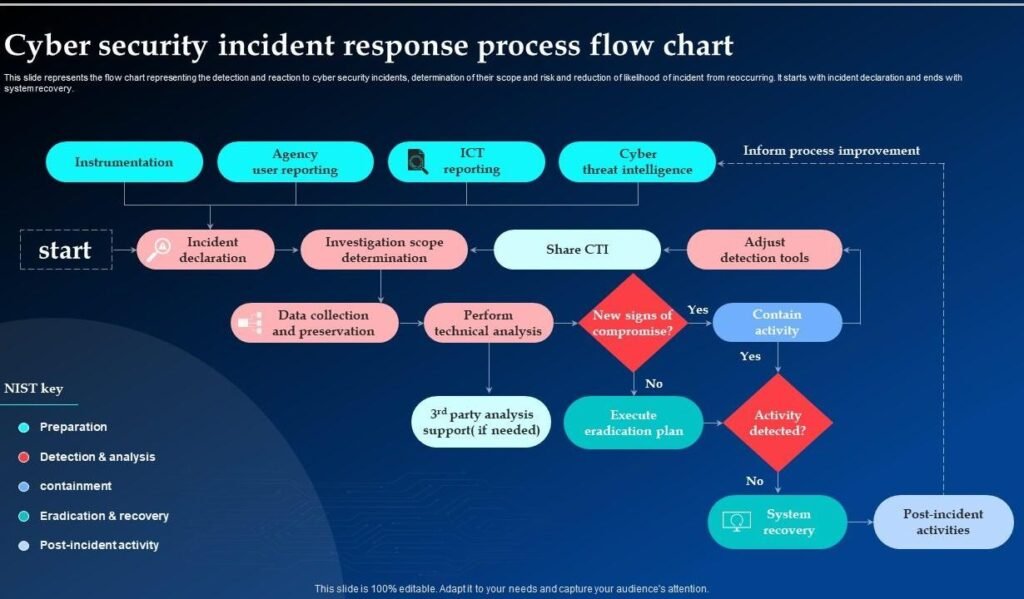
Cyber Security operates through multiple layers of technology, policies, and human awareness working together to defend digital systems. Rather than relying on a single security solution, organizations combine preventive, detective, and corrective controls that continuously protect networks, devices, applications, and data.
A modern cyber security strategy follows the principle of defense in depth. Even if one security layer fails, additional protections continue defending the organization against attackers. This approach reduces risk and limits the impact of successful attacks.
Threat Detection
Threat detection involves continuously monitoring systems for unusual behavior that may indicate malicious activity. Advanced security platforms analyze network traffic, user behavior, login attempts, and application activity to identify potential threats before significant damage occurs.
Artificial intelligence and machine learning increasingly improve threat detection by recognizing abnormal patterns that traditional antivirus software might overlook. Security Operations Centers (SOCs) monitor these alerts around the clock to investigate suspicious events.
Risk Assessment
Risk assessment identifies valuable assets, evaluates vulnerabilities, and estimates the likelihood of cyber attacks. Organizations prioritize security investments based on the potential impact of different threats rather than attempting to eliminate every possible risk.
Regular vulnerability assessments, penetration testing, and security audits help organizations discover weaknesses before attackers exploit them. Effective risk management balances security requirements with operational efficiency.
Incident Response
Even organizations with strong security controls may experience cyber incidents. Incident response provides a structured process for identifying attacks, containing damage, investigating the root cause, recovering affected systems, and improving future defenses.
A well-developed incident response plan minimizes downtime, protects customer data, and ensures business continuity. Organizations regularly conduct simulated cyber attack exercises to test their preparedness.
Continuous Monitoring
Cyber threats evolve every day, making continuous monitoring essential for long-term security. Organizations collect security logs, monitor network traffic, track endpoint activity, and analyze cloud environments for suspicious behavior.
Continuous monitoring supports faster threat detection, quicker incident response, and ongoing compliance with security regulations. It also enables security teams to adapt to emerging cyber threats as attackers develop new techniques.
Best Cyber Security Tools
Selecting the right cyber security tools is essential for protecting modern digital environments. Security professionals use specialized software to detect vulnerabilities, analyze network traffic, perform penetration testing, monitor endpoints, and respond to cyber incidents. While no single tool provides complete protection, combining multiple solutions creates a stronger security posture.
Beginners should first understand the purpose of each tool before learning advanced techniques. Many widely used security platforms are trusted by governments, enterprises, and security researchers worldwide.
Microsoft Defender
Microsoft Defender is one of the most widely used endpoint protection platforms for Windows systems. It provides real-time antivirus protection, ransomware defense, firewall management, cloud-based threat intelligence, and automated security updates.
Windows Security integrates Microsoft Defender into the operating system, giving users built-in protection without requiring additional software. Organizations can further enhance security using Microsoft Defender for Endpoint.
Wireshark
Wireshark is a powerful network protocol analyzer that captures and examines network traffic in real time. Security analysts use it to troubleshoot connectivity issues, investigate suspicious activity, analyze malware communication, and understand network behavior.
Because Wireshark provides detailed packet-level analysis, it is considered one of the most valuable tools for network security professionals and students learning cyber security basics.
Nmap
Nmap (Network Mapper) is a widely respected open-source tool used for network discovery and security auditing. It scans networks, identifies active devices, detects open ports, and gathers information about operating systems and services.
Security professionals use Nmap during vulnerability assessments, penetration testing, and network inventory management. Beginners often learn Nmap early because it demonstrates how attackers and defenders analyze network infrastructure.
Burp Suite
Burp Suite is a leading application security testing platform widely used by ethical hackers and penetration testers. It helps identify vulnerabilities in web applications, including authentication weaknesses, insecure configurations, and input validation flaws.
Organizations frequently use Burp Suite during secure development and vulnerability assessment processes to strengthen application security before deployment.
Password Managers
Password managers securely generate, store, and organize strong passwords for multiple online accounts. Instead of remembering dozens of complex passwords, users only need to protect a single master password.
Password managers encourage better password security by creating unique credentials for every account, reducing the risk of credential reuse and account compromise after data breaches.
Essential Cyber Security Skills

Building a successful career in Cyber Security requires more than learning how to use security tools. Professionals must understand how computer systems, networks, operating systems, cloud platforms, and applications work before they can effectively defend them. Whether you want to become a security analyst, penetration tester, incident responder, or security engineer, developing a strong technical foundation is essential.
The good news is that beginners do not need to master everything at once. By learning cyber security basics step by step and practicing regularly, you can gradually build the skills required for entry-level and advanced security roles. Hands-on experience through home labs, virtual machines, and cybersecurity challenges is often just as valuable as theoretical knowledge.
Networking
Networking is one of the most important skills in cyber security. Every cyber attack travels through a network, making it essential to understand how devices communicate. Beginners should learn topics such as IP addressing, DNS, HTTP, HTTPS, TCP/IP, UDP, routing, switching, VPNs, and firewalls.
A strong networking foundation helps security professionals investigate suspicious traffic, identify unauthorized connections, and implement effective network security controls. Tools like Wireshark and Nmap become much more useful when you understand networking concepts.
Linux
Linux powers many web servers, cloud platforms, and security tools, making it a must-learn operating system for cybersecurity professionals. Security analysts frequently use Linux for penetration testing, system administration, digital forensics, and vulnerability assessments.
Distributions such as Kali Linux include hundreds of built-in security tools for ethical hacking, network analysis, password auditing, and wireless testing. Beginners should start by learning Linux commands, file permissions, shell scripting, and system management.
Windows Security
Although Linux is widely used in cybersecurity, Windows remains the most common operating system for personal computers and many enterprise environments. Understanding Windows Security, Active Directory, Microsoft Defender, Windows Event Logs, Group Policy, and PowerShell helps security professionals investigate threats and secure Windows-based systems.
Learning how Windows authentication, user permissions, and security updates work provides valuable knowledge for both defensive security and incident response.
Python
Python has become one of the most popular programming languages in cyber security because of its simplicity and versatility. Security professionals use Python to automate repetitive tasks, analyze logs, scan networks, process malware samples, and develop custom security tools.
Beginners do not need advanced programming skills immediately. Learning variables, loops, functions, file handling, and basic scripting is enough to start automating simple security tasks and gradually build programming confidence.
Cloud Security
Cloud computing continues to grow rapidly, making cloud security one of the most valuable cybersecurity skills. Organizations increasingly rely on cloud services to host applications, store data, and manage infrastructure. Protecting these environments requires understanding identity management, encryption, access control, cloud monitoring, and compliance.
Knowledge of platforms such as Microsoft Azure, Amazon Web Services (AWS), and Google Cloud Platform (GCP) provides a strong advantage for aspiring security professionals. Cloud security specialists help organizations protect digital assets while maintaining availability and regulatory compliance.
Cyber Security Career Guide
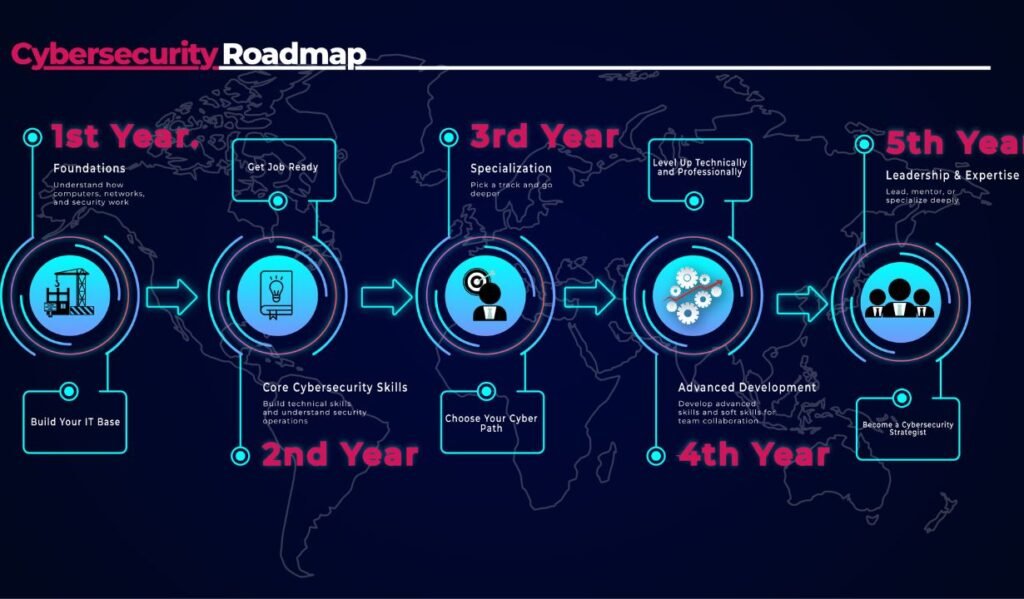
A career in Cyber Security offers excellent opportunities because organizations across every industry need skilled professionals to defend against cyber attacks. From healthcare and banking to government agencies and technology companies, the demand for qualified cybersecurity experts continues to increase worldwide.
Cybersecurity is also one of the few technology fields where continuous learning is part of the job. As new threats emerge, professionals constantly update their knowledge, learn new tools, and improve their defensive strategies. This dynamic environment makes cyber security an exciting career for people who enjoy solving problems and working with technology.
Job Roles
Cybersecurity offers a wide variety of career paths depending on your interests and experience. Common roles include:
- Cyber Security Analyst
- Security Operations Center (SOC) Analyst
- Network Security Engineer
- Penetration Tester
- Ethical Hacker
- Incident Response Analyst
- Digital Forensics Investigator
- Malware Analyst
- Cloud Security Engineer
- Security Consultant
- Security Architect
- Chief Information Security Officer (CISO)
Each role focuses on different aspects of information security, but all contribute to protecting organizations against evolving cyber threats.
Certifications
Professional certifications demonstrate technical knowledge and improve employment opportunities. Beginners often start with CompTIA Security+, which provides a strong foundation in cyber security principles, risk management, cryptography, and network security.
As professionals gain experience, they may pursue advanced certifications such as:
- CEH (Certified Ethical Hacker)
- CompTIA CySA+
- CompTIA PenTest+
- CISSP (Certified Information Systems Security Professional)
- GIAC Certifications
- Microsoft Security Certifications
- Cisco CyberOps Certifications
Choosing the right certification depends on your career goals and preferred specialization.
Salary Expectations
Cybersecurity professionals are among the highest-paid technology specialists because their expertise is in high demand. Salaries vary depending on experience, certifications, location, and job responsibilities.
Entry-level security analysts generally earn competitive salaries, while experienced penetration testers, cloud security engineers, and security architects often receive significantly higher compensation. Continuous learning, practical experience, and recognized certifications usually lead to better career opportunities and long-term professional growth.
Best Practices for Staying Safe Online
Following cyber security best practices is one of the easiest ways to reduce the risk of becoming a cybercrime victim. Many successful cyber attacks exploit simple mistakes such as weak passwords, outdated software, or careless browsing habits. By developing good security habits, individuals and businesses can significantly improve their overall online security.
Cyber security is not a one-time task but an ongoing process. As attackers constantly develop new techniques, users must remain informed and practice good digital hygiene to stay protected.
Use Strong Passwords
Strong passwords are the first line of defense against unauthorized access. Every account should have a unique password containing uppercase letters, lowercase letters, numbers, and special characters. Avoid using names, birthdays, or easily guessed words.
Password managers simplify password security by generating complex passwords and storing them securely. This eliminates the need to reuse passwords across multiple accounts.
Enable Multi-Factor Authentication
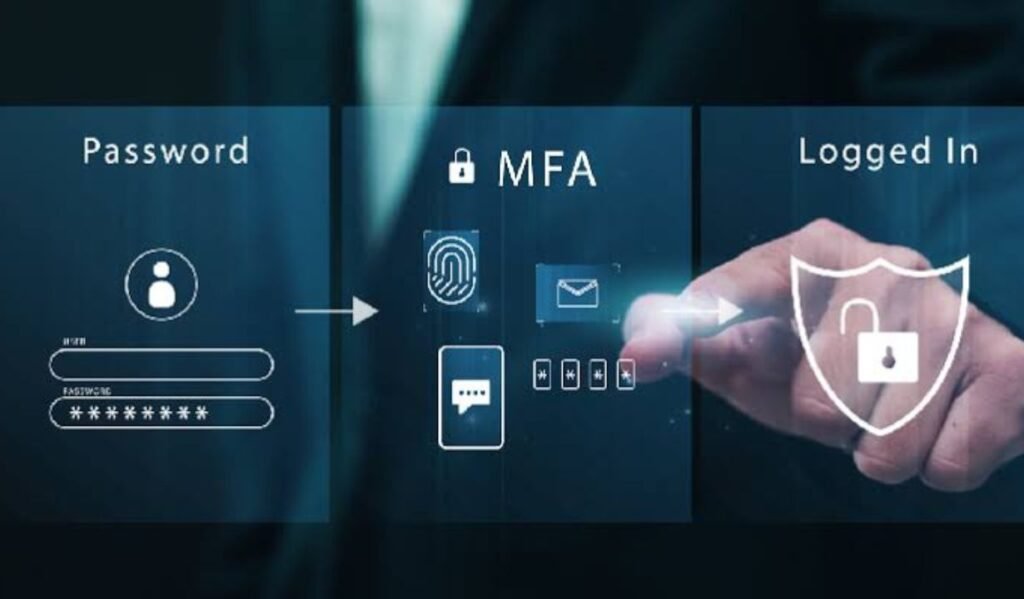
Multi-factor authentication (MFA) adds an additional layer of protection beyond passwords. Even if attackers steal your login credentials, they cannot access your account without the second verification factor, such as a mobile app, hardware security key, or fingerprint.
Today, MFA is considered one of the most effective cyber security solutions for protecting email accounts, online banking, cloud services, and business applications.
Keep Software Updated
Software developers regularly release security patches that fix vulnerabilities discovered by researchers and cybercriminals. Delaying updates leaves systems exposed to attacks that could have been prevented.
Enable automatic updates whenever possible for operating systems, browsers, mobile applications, antivirus software, and firmware. Keeping software current significantly reduces security risks.
Browse the Internet Safely
Safe browsing habits protect users from phishing websites, malicious downloads, and online scams. Always verify website addresses before entering personal information, avoid clicking suspicious links, and download software only from official sources.
Using secure HTTPS websites, trusted antivirus software, browser security features, and reputable VPN services further enhances online security and protects sensitive information during internet browsing.
Cyber Security vs Information Security
Many people use the terms Cyber Security and Information Security interchangeably, but they are not exactly the same. While both aim to protect valuable information, their scope and focus differ. Understanding this distinction helps organizations build a stronger and more comprehensive security strategy.
Information Security (InfoSec) is the broader discipline of protecting information in all forms—digital, physical, and paper-based. It focuses on maintaining the Confidentiality, Integrity, and Availability (CIA Triad) of information, regardless of where it is stored or how it is transmitted. Information security includes access control, security policies, risk management, physical security, and compliance.
Cyber Security, on the other hand, specifically focuses on protecting digital systems, networks, devices, applications, and online data from cyber attacks. It involves technologies such as firewalls, endpoint protection, encryption, threat detection, and incident response to defend against hackers, malware, ransomware, phishing, and other online threats.
Key Differences
| Information Security | Cyber Security |
| Protects all forms of information | Protects digital information and systems |
| Covers physical and digital assets | Focuses primarily on digital environments |
| Includes policies, compliance, and physical security | Includes technical controls against cyber attacks |
| Broader discipline | Specialized branch of information security |
| Protects confidentiality, integrity, and availability | Prevents cyber attacks and digital threats |
In simple terms, all cyber security is information security, but not all information security is cyber security. Modern organizations require both disciplines to achieve complete protection against evolving threats.
Future of Cyber Security

The future of Cyber Security is being shaped by rapid technological innovation and increasingly sophisticated cyber threats. As organizations adopt artificial intelligence, cloud computing, the Internet of Things (IoT), and remote work environments, security professionals must continuously adapt to protect expanding digital ecosystems.
Artificial intelligence is becoming a powerful tool for both defenders and attackers. Security teams use AI-powered analytics to improve threat detection, automate incident response, identify unusual behavior, and reduce false positives. At the same time, cybercriminals are leveraging AI to develop more convincing phishing attacks, automate malware creation, and identify system vulnerabilities faster than ever before.
Cloud security will remain a major priority as businesses continue migrating applications and sensitive data to cloud platforms. Organizations are expected to invest more heavily in identity management, Zero Trust architecture, cloud protection, and continuous security monitoring to secure distributed workforces.
Emerging technologies such as quantum computing may also transform cybersecurity in the coming years. While quantum computing promises significant advances in scientific research and computing power, it may eventually challenge existing encryption methods. Researchers are already developing quantum-resistant cryptography to prepare for this future.
Another growing trend is the increasing importance of cyber security awareness. Since many successful attacks still exploit human error, organizations continue investing in employee training, phishing simulations, and security education programs. Building a strong security culture is becoming just as important as deploying advanced security technologies.
As cyber threats continue evolving, professionals with expertise in cloud security, ethical hacking, threat intelligence, digital forensics, secure coding, and AI-driven security will remain in high demand. Continuous learning and adaptability will be essential qualities for future cybersecurity experts.
Conclusion
Cyber Security is no longer optional—it is a fundamental requirement for protecting our digital lives. Every online activity, from checking email and shopping online to managing business operations and storing sensitive information, depends on secure systems and responsible digital practices. As cyber attacks become more advanced, individuals and organizations must adopt proactive security measures rather than waiting for incidents to occur.
Throughout this guide, we’ve explored what cyber security is and why it is important, the different types of cyber security, common cyber security threats, essential tools, career opportunities, and practical best practices for staying safe online. We’ve also examined the relationship between cyber security and information security while looking ahead at the future of digital protection.
The strongest defense against cybercrime combines modern security technologies with informed users. Using strong passwords, enabling multi-factor authentication, keeping software updated, practicing safe browsing, and continuously learning about emerging threats can significantly reduce your risk of becoming a victim of cyber attacks.
Whether you’re a beginner, a business owner, a student, or an aspiring security professional, investing time in Cyber Security awareness is one of the smartest decisions you can make. As technology continues to evolve, maintaining a proactive approach to digital security will help protect your personal information, financial assets, and online identity for years to come.
Frequently Asked Questions (FAQs)
1. What is Cyber Security?
Cyber Security is the practice of protecting computers, networks, applications, and digital data from cyber attacks, unauthorized access, malware, ransomware, and other online threats through a combination of technologies, policies, and user awareness.
2. Why is Cyber Security important?
Cyber Security is important because it protects personal information, financial data, business operations, and critical infrastructure from cybercriminals. Strong security measures help prevent data breaches, identity theft, and financial losses.
3. What are the different types of Cyber Security?
The major types include:
- Network Security
- Cloud Security
- Application Security
- Endpoint Security
- Mobile Security
- Information Security
- Identity and Access Management
- Operational Security
Each type addresses specific security challenges within an organization’s digital environment.
4. How does Cyber Security work?
Cyber Security works by combining preventive, detective, and corrective security controls such as firewalls, antivirus software, encryption, authentication, threat detection, vulnerability assessments, continuous monitoring, and incident response to protect digital systems.
5. What are the most common Cyber Security threats?
Some of the most common threats include:
- Malware
- Phishing
- Ransomware
- Social Engineering
- Password Attacks
- Insider Threats
- Distributed Denial-of-Service (DDoS) Attacks
- Zero-Day Exploits
6. How can beginners learn Cyber Security?
Beginners should start with cyber security basics, networking fundamentals, Linux, Windows Security, Python programming, and cloud security. Hands-on practice using virtual labs, Capture the Flag (CTF) challenges, and beginner-friendly security tools accelerates learning.
7. What skills are required for a Cyber Security career?
Important skills include:
- Networking
- Linux Administration
- Windows Security
- Python Scripting
- Risk Assessment
- Threat Detection
- Incident Response
- Secure Coding
- Cloud Security
- Communication and Problem-Solving
8. Is Cyber Security a good career?
Yes. Cyber Security is one of the fastest-growing technology fields, offering excellent salaries, strong job security, diverse career paths, and opportunities across industries including finance, healthcare, government, and technology.
9. What is the difference between Cyber Security and Information Security?
Information Security protects all forms of information, including physical and digital data, while Cyber Security specifically focuses on defending digital systems, networks, and online information from cyber threats.
10. Which Cyber Security certifications are best for beginners?
Some of the best beginner-friendly certifications include:
- CompTIA Security+
- CEH (Certified Ethical Hacker)
- CompTIA CySA+
- Cisco CyberOps Associate
- Microsoft Security Certifications
These certifications help build foundational knowledge and improve career opportunities.
