

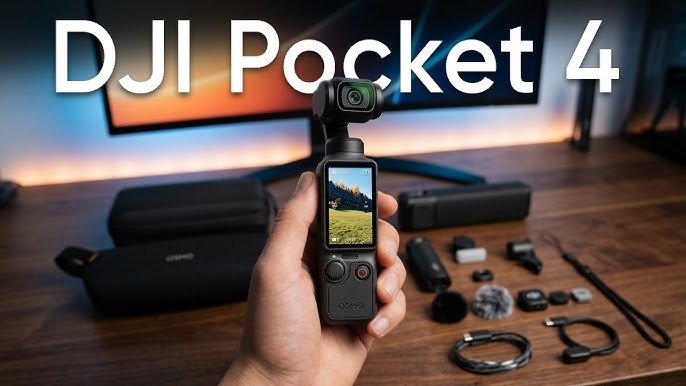
The camera industry has changed a lot in the last few years. People no longer want bulky equipment for travel or vlogging. They want something small, powerful, and easy to carry. That’s exactly why the Osmo Pocket series became so popular.
Now, the discussion around the DJI Osmo Pocket 4 is growing fast among creators, vloggers, and tech enthusiasts. Even though official details are limited at the moment, expectations are already shaping what this next-generation pocket camera could become.
Developed by DJI, the Osmo Pocket lineup has always focused on combining portability with professional-level stabilization. Every new version has improved on the last one, so naturally, the next step is highly anticipated.
Why everyone is talking about DJI Osmo Pocket 4
The interest in the DJI Osmo Pocket 4 isn’t just hype. It comes from real demand. Content creation has exploded across platforms like YouTube, TikTok, and Instagram. Creators want high-quality video without carrying heavy rigs.
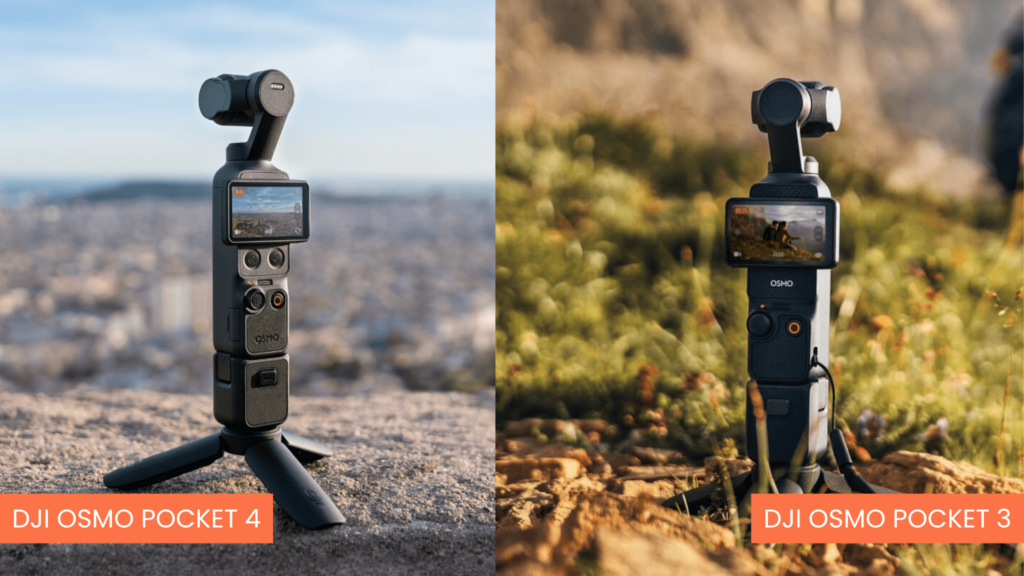
Earlier models already proved that small devices can deliver smooth cinematic footage. But users are now expecting more:
better low-light performance, improved audio, smarter AI tracking, and higher resolution video.
That’s why discussions around the next version are so active — people are not just waiting for a camera, they are waiting for a complete upgrade in mobile filmmaking.
The evolution that led to this point
To understand what might come next, it helps to look at how the series evolved.
The original Pocket camera introduced the idea of a fully stabilized handheld device that fits in your pocket. Later versions improved image quality, stabilization, and video features significantly.
Each generation focused on solving real problems:
- shaky handheld footage
- poor low-light performance
- limited audio quality
- lack of intelligent tracking
Now, expectations for the DJI Osmo Pocket 4 are built on solving the remaining limitations.
What creators are hoping for in DJI Osmo Pocket 4
Instead of listing generic features, it’s more realistic to look at what actual users are demanding.
1. Better low-light performance
Night shooting is still a weak point for compact cameras. Creators want cleaner footage in dim environments without heavy noise.
2. Smarter subject tracking
AI tracking has improved, but users want more natural movement tracking that doesn’t feel robotic or delayed.
3. Improved audio system
External microphones are still commonly needed. A built-in professional-grade mic system would make a big difference for vloggers.
4. Longer battery life
Small devices often struggle with power management. A major improvement in battery efficiency is one of the top expectations.
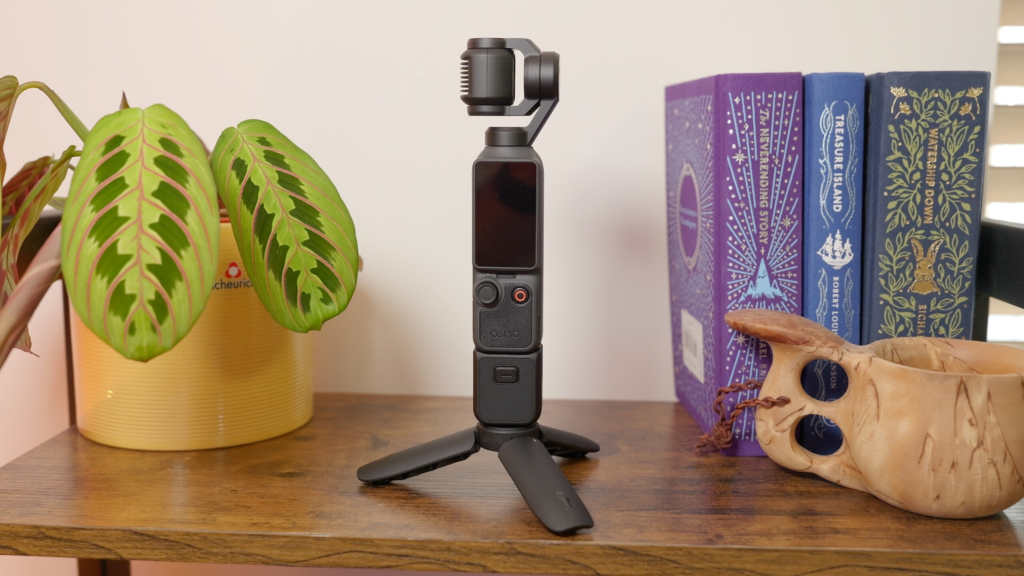
Design expectations – small but more powerful
One of the strongest identities of this product line is its compact design. Users don’t want that to change.
However, there is a strong expectation that the DJI Osmo Pocket 4 could slightly refine its body:
- better grip ergonomics
- more durable build quality
- improved heat management
- possibly a brighter rotating screen
The challenge for DJI is balancing size with performance.
Video quality expectations
If there is one area where expectations are highest, it is video performance.
Users are hoping for:
- higher resolution recording options
- improved dynamic range
- smoother frame handling
- better stabilization in motion
The Pocket series is already known for its gimbal stabilization system, but creators want footage that looks closer to cinematic camera rigs — without actually using one.
AI and smart features trend
Modern cameras are no longer just hardware devices. They are becoming intelligent tools.
For the DJI Osmo Pocket 4, users expect deeper AI integration such as:
- automatic framing
- scene detection
- smart color adjustments
- gesture-based control
This shift is important because content creators today want speed and simplicity, not complex manual settings.
Content creator perspective
From a vlogger’s point of view, the biggest value of this camera is convenience.
Imagine traveling without carrying tripods, stabilizers, or heavy DSLR setups. That’s the core idea behind the Osmo Pocket series.
If the next version improves usability even slightly, it could become one of the most popular travel cameras again.
Competition in the market
The compact camera market is becoming more competitive. Action cameras, smartphones, and hybrid devices are all fighting for the same audience.
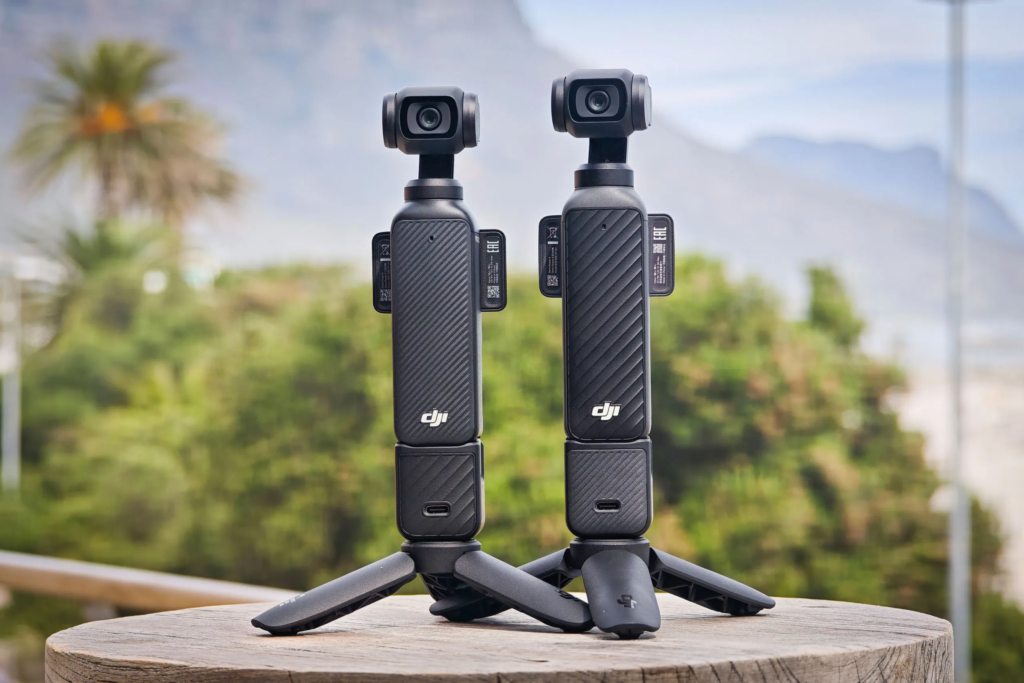
Brands like GoPro and smartphone manufacturers have improved significantly. This means the DJI Osmo Pocket 4 would need to stand out not just through hardware, but through user experience.
That includes:
- faster startup time
- smoother app integration
- better editing workflow
- cloud connectivity features
Will DJI change the game again?
Looking at past trends, DJI has consistently pushed innovation in this category.
But the real question is not whether they can improve the device — it’s whether they can redefine what a pocket camera means in 2026 and beyond.
The DJI Osmo Pocket 4 could either be an incremental upgrade or a major leap depending on how aggressive the company wants to be with innovation.
Who this device is for
Not everyone needs a high-end pocket camera. But for certain users, it is extremely valuable:
- travel vloggers
- social media creators
- YouTube beginners
- documentary filmmakers on the go
- content creators who value mobility
For these users, a device like this can replace multiple tools.
Realistic expectations vs rumors
It’s important to separate expectations from confirmed facts.
Right now, most information about the DJI Osmo Pocket 4 is based on:
- leaks
- industry predictions
- user demand trends
There is no fully confirmed official specification available yet. That means everything discussed is about possibilities, not final product details.
Final thoughts
The DJI Osmo Pocket 4 represents more than just another camera upgrade. It reflects the direction content creation is heading — smaller devices, smarter features, and faster workflows.
If DJI continues its current innovation path, this device could become a major tool for creators worldwide.
But at the end of the day, the real success will depend on one thing: how well it solves real problems for real users, not just how many features it adds on paper.
