

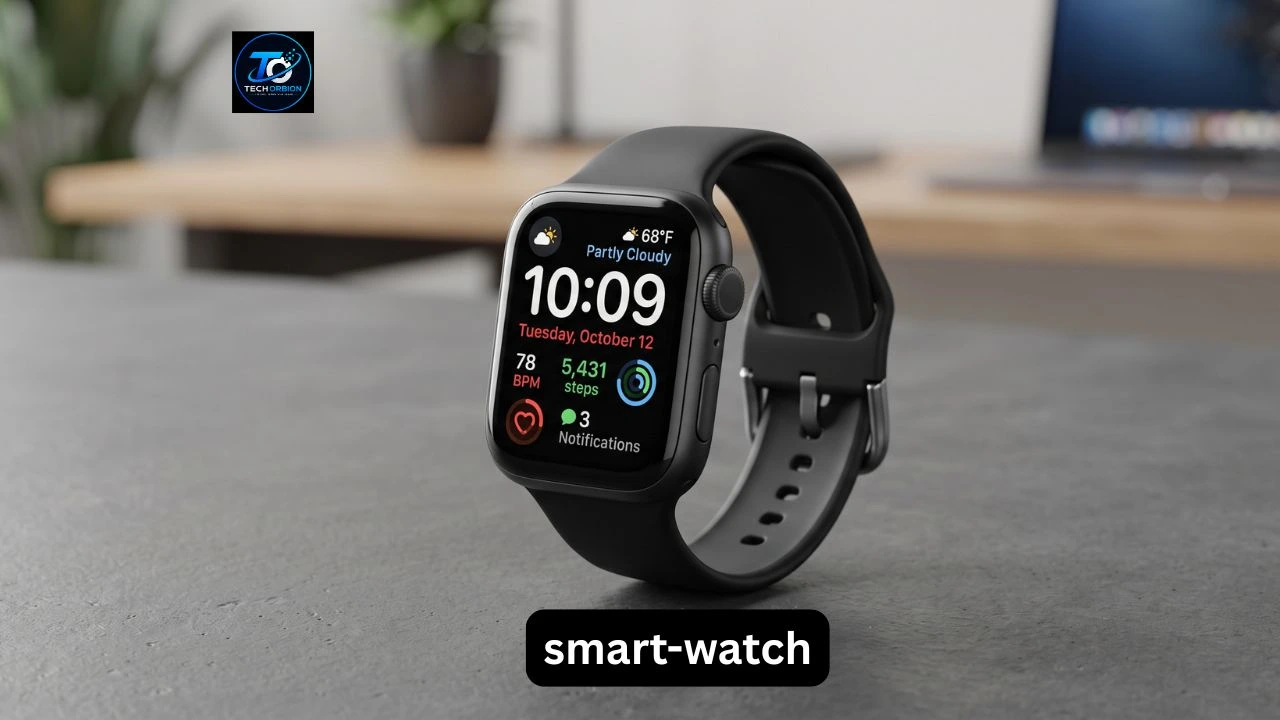
A smart watch is more than a simple watch that shows the time. It is a small wearable device that can connect to your smartphone and help you check notifications, track activity, control music, monitor workouts, and perform other useful tasks. Some models can also make calls, use apps, provide navigation, and offer health-related tracking features.
With so many models available, choosing the right smartwatch can be confusing. Some are designed for fitness, while others focus on communication, style, or advanced features. There are also different operating systems, screen types, battery sizes, and price ranges to consider.
This guide explains how smartwatches work, their main features, benefits and drawbacks, and what you should check before buying one.
What Is a Smart Watch and How Does It Work?
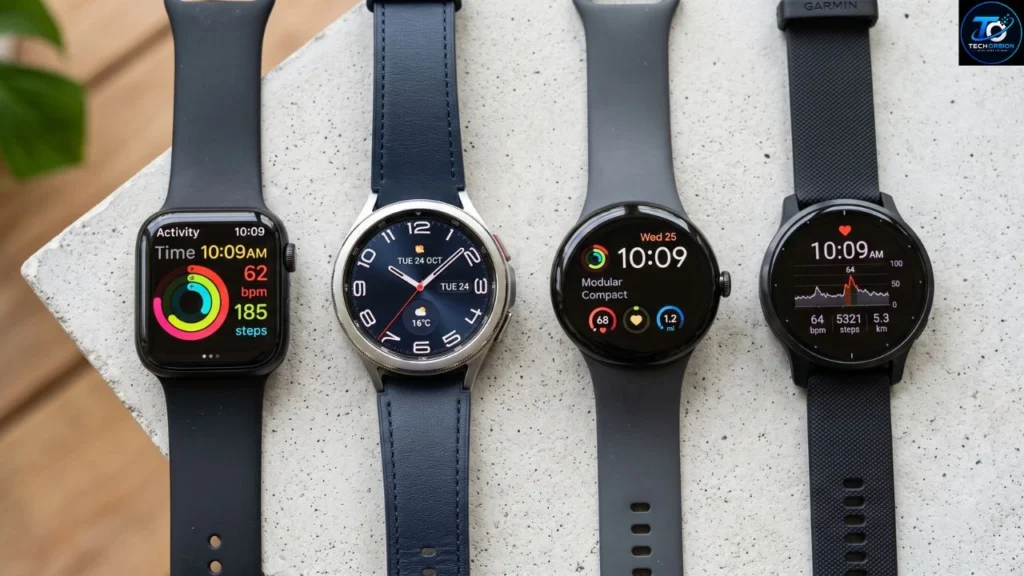
A smart watch is a wearable electronic device designed to be worn on your wrist. It combines the basic job of a traditional watch with features commonly found on smartphones and fitness trackers.
Most models have a small touchscreen that lets you interact with apps, settings, notifications, and other functions. Many also include sensors that can collect information about movement, exercise, and other measurements.
A smartwatch usually connects to a smartphone through Bluetooth. Some models also support Wi-Fi or cellular connectivity, allowing them to perform more tasks without keeping the phone nearby. The exact features depend on the model and operating system.
Most smartwatches connect to a smartphone through Bluetooth, so choosing the right Smartphone Buying Guide 2026 is also important for getting the best experience from your wearable device.
Common Features of a Smartwatch
Modern smartwatches can offer many different functions, including:
- Time and date display
- Phone notifications
- Step counting
- Workout tracking
- Heart-rate monitoring
- Sleep tracking
- Music controls
- GPS navigation
- Alarms and timers
- Calls and messages
- Contactless payments on supported models
- Watch apps
- Custom watch faces
Not every watch includes all these features. Before buying one, check the specifications and make sure the features you want are actually supported.
Smartwatch vs. Traditional Watch
A traditional watch mainly tells you the time. A smartwatch is designed to provide additional digital features.
| Feature | Traditional Watch | Smart Watch |
| Tells time | Yes | Yes |
| Notifications | No | Usually |
| Fitness tracking | No | Usually |
| GPS | No | Some models |
| Apps | No | Some models |
| Calls | No | Some models |
| Touchscreen | Usually no | Usually |
| Battery charging | Usually no | Yes |
| Smartphone connection | No | Usually |
A traditional watch can be better if you want simplicity and very long battery life. A smartwatch is more suitable if you want technology and convenience on your wrist.
Main Features to Look for in a Smart Watch
The right features depend on how you plan to use your wearable. A person who mainly wants notifications may not need the same features as someone who runs every day.
Fitness and Activity Tracking
Fitness tracking is one of the biggest reasons people buy smartwatches. Many models can count steps, track workouts, estimate calories burned, and record activities such as walking, running, cycling, or swimming.
Some watches also provide information about workout duration, heart rate, and other measurements. These features can help you understand your activity habits and stay motivated.
However, wearable measurements are generally intended for personal tracking and should not automatically be treated as professional medical measurements.
Heart Rate and Health Features
Many modern watches include optical sensors that can estimate heart rate from the wrist.
Some advanced models offer additional health-related features, but availability varies by device, country, and software. Users should always check the manufacturer’s information before relying on a particular health feature.
For people interested in fitness, these tools can make it easier to observe changes during workouts and daily activity.
GPS and Location Tracking
Built-in GPS can be useful for runners, cyclists, hikers, and other outdoor users.
A watch with GPS can record your route and distance without depending entirely on your phone. This can be especially useful when exercising outdoors.
However, GPS can consume more battery power, so frequent outdoor tracking may reduce the time between charges.
Notifications and Communication
A smartwatch can show notifications from your phone on your wrist. You may be able to see incoming calls, messages, emails, calendar reminders, and app notifications.
Some models also allow users to reply to messages or answer calls directly from the watch.
This can be convenient when your phone is in your pocket, bag, or another room.
Different Types of Smart Watches
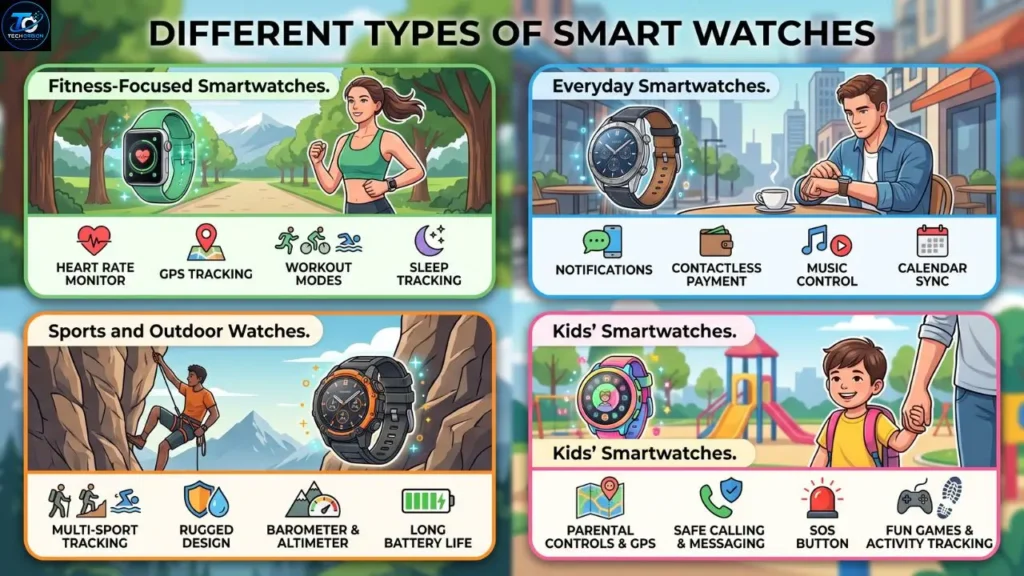
Not every smartwatch is designed for the same person. Understanding the main types can make your buying decision easier.
There are many smartwatch brands and models available today. For example, you can learn more about the Aolon smartwatch and the features it offers for everyday users.
Fitness-Focused Smartwatches
Fitness-focused models are designed mainly for exercise and activity tracking.
They may offer multiple workout modes, GPS, heart-rate tracking, sleep information, and long battery life.
These watches are a good choice for people who spend a lot of time walking, running, cycling, or exercising.
Everyday Smartwatches
Everyday models usually offer a balance between communication, fitness, apps, and style.
They can be useful for people who want notifications, activity tracking, music controls, and other smartphone-related features without buying a specialized sports watch.
Sports and Outdoor Watches
Outdoor-focused watches are usually designed for demanding environments.
They may offer stronger materials, improved water resistance, GPS features, longer battery life, and specialized outdoor tracking.
These models can be useful for hiking, camping, running, cycling, and other outdoor activities.
Kids’ Smartwatches
Some smartwatches are designed for children. Depending on the model, they may offer calling, location features, alarms, and basic activity tracking.
Parents should carefully check privacy, communication, location, and account settings before choosing a connected wearable for a child.
Benefits of Using a Smart Watch
A smartwatch can make everyday tasks easier by putting useful information directly on your wrist.
Quick Access to Notifications
You do not always need to take your phone out of your pocket to see who is calling or messaging you.
Useful Fitness Tracking
Activity and workout tracking can encourage you to move more and keep a record of your exercise habits.
Convenient Smartphone Controls
Many models allow you to control music, check reminders, use timers, and perform other simple actions.
GPS for Outdoor Activities
Built-in GPS can help track routes and distance during outdoor workouts.
Personalization
Many watches support different watch faces, straps, and settings, allowing users to match the device to their personal style.
Drawbacks of Smartwatches
Smartwatches are useful, but they are not perfect.
Battery Charging
Unlike traditional watches, smartwatches need regular charging. Battery life can range from roughly a day to several weeks depending on the model, settings, and usage.
Features such as GPS, cellular connectivity, and always-on displays can consume more power.
Small Screen
A smartwatch has a much smaller display than a smartphone. Reading long messages, browsing websites, or performing complicated tasks can therefore be inconvenient.
Phone Compatibility
Some watches work better with specific smartphone operating systems.
Before purchasing, check whether the watch supports your Android phone or iPhone and whether all advertised features work on your device.
Price
Advanced smartwatches can be expensive. You may also need to replace straps, chargers, or other accessories over time.
How to Choose the Right Smart Watch
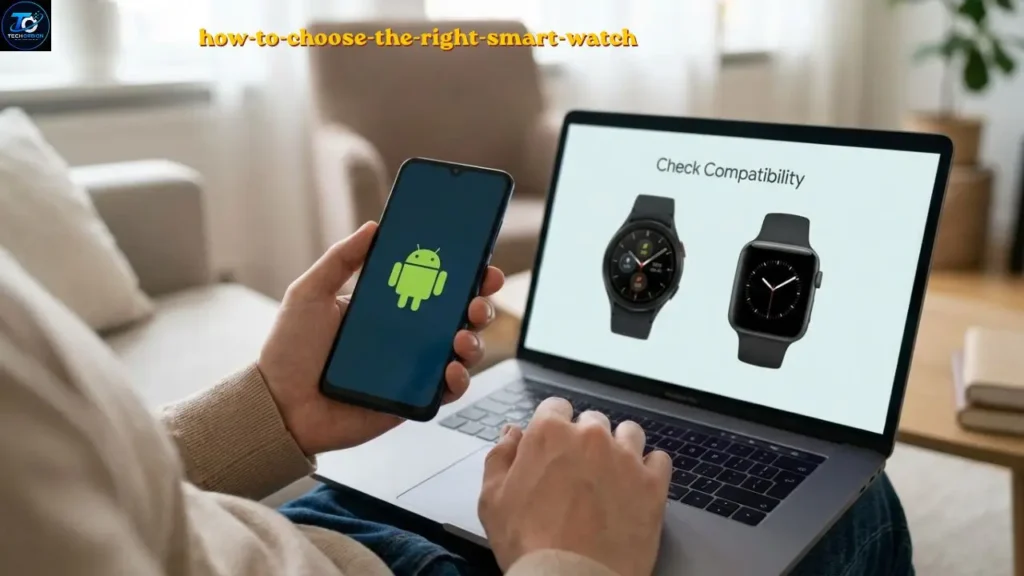
Choosing a smartwatch becomes easier when you focus on your actual needs instead of buying based only on appearance.
1. Check Smartphone Compatibility
This is one of the first things to check.
Some watches are designed to work best with a particular phone ecosystem. Certain features may also be unavailable when the watch is paired with a different type of smartphone.
2. Consider Battery Life
Think about how often you are willing to charge the watch.
If you dislike frequent charging, look for a model with longer battery life. If you want advanced features and do not mind charging often, battery life may be less important.
3. Choose the Right Display
A bright and clear display is easier to read outdoors.
AMOLED and OLED screens are popular because they can provide strong contrast and vibrant images. Some models use other display technologies to improve battery life.
4. Check Water Resistance
If you plan to swim or exercise in wet conditions, check the watch’s official water-resistance rating and the manufacturer’s instructions.
Water resistance does not mean a device is completely protected against every type of water exposure.
5. Look at Fitness Features
If fitness is your main reason for buying the watch, check the specific workout modes and sensors it offers.
Do not assume that every model supports the same activities or tracking features.
6. Consider GPS
For runners and outdoor users, built-in GPS can be very useful.
If you mostly exercise indoors or stay near your phone, you may not need standalone GPS.
7. Think About Comfort
You may wear the watch for many hours every day, so comfort matters.
Look at the watch’s size, weight, strap material, and case design. A watch that looks great but feels uncomfortable may end up sitting unused.
If you use an iPhone and also care about protecting your phone, you can check our guide to choosing an iPhone 17 Pro Max case for useful protection tips.
Common Smartwatch Buying Mistakes
One common mistake is buying a watch because it has the most features. More features do not always mean a better experience.
Another mistake is ignoring compatibility. A watch may look perfect on paper but have limited functionality with your smartphone.
People also sometimes focus too much on screen size or design and forget about battery life. If you want sleep tracking, for example, frequent charging may make the watch less useful.
Finally, do not assume that a higher price automatically means better value. Choose the features that you will actually use.
Smart Watch Buying Tips
Before purchasing, ask yourself these questions:
- Which smartphone will I use with the watch?
- How often do I want to charge it?
- Do I need GPS?
- Do I mainly want fitness tracking or smart features?
- Will I use it for swimming or outdoor activities?
- Is the size comfortable for my wrist?
- Does it support the apps and services I need?
- Is the price reasonable for the features?
Answering these questions can help you avoid paying for features you do not need.
Smart Watch vs. Fitness Tracker
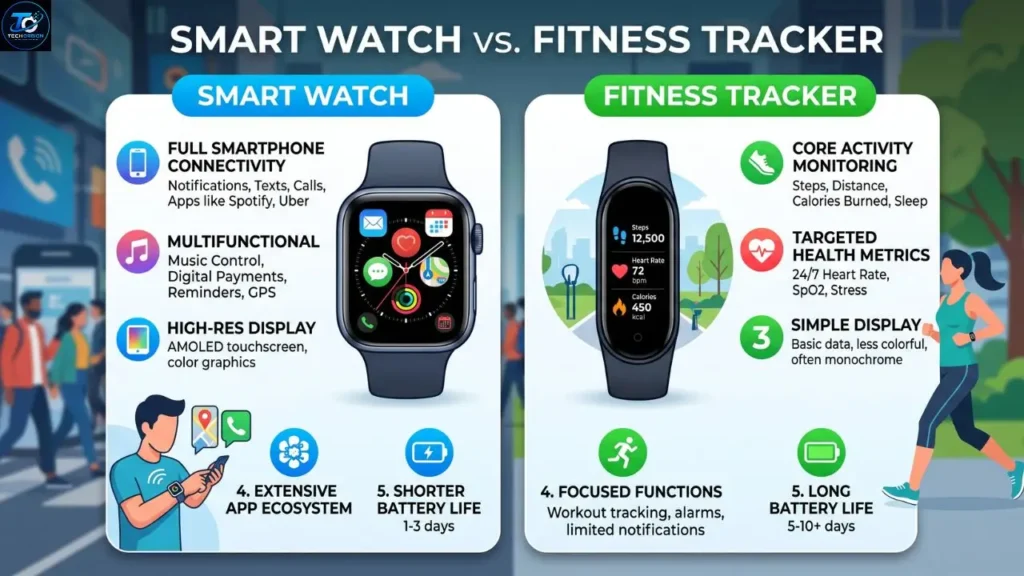
A smartwatch and a fitness tracker can look similar, but they serve different purposes.
A fitness tracker usually focuses on activity, exercise, sleep, and basic health-related tracking. It often has a smaller interface and may provide longer battery life.
A smartwatch usually provides more communication and smartphone features, such as notifications, apps, calls, music controls, and sometimes payments.
If your main goal is tracking steps and workouts, a fitness tracker may be enough. If you want a small extension of your smartphone, a smartwatch may be the better choice.
Expert Advice: What Matters Most?
The best smartwatch is not necessarily the one with the longest feature list.
Start with compatibility and your main purpose. If you are a runner, prioritize GPS, workout tracking, comfort, and battery life. If you mainly want notifications, focus on display quality, communication features, and phone compatibility.
Also consider software support. A watch with useful hardware can become less attractive if its software experience is poor or updates are limited.
Finally, remember that a smartwatch should make your daily routine easier. If a feature does not solve a real problem for you, it may not be worth paying extra for it.
Apple Watch — Official Apple Watch features and specifications.
Frequently Asked Questions
1. What is a smart watch used for?
A smartwatch can show the time, display notifications, track activity, monitor workouts, control music, provide GPS features, and perform other tasks depending on the model.
2. Can a smartwatch work without a phone?
Some models can perform certain functions without a phone nearby. Watches with built-in GPS can track outdoor activities independently, while cellular models may support calls and data without a phone connection. Features vary by device.
3. How long does a smartwatch battery last?
Battery life depends on the model and usage. Some watches need daily charging, while others can run for several days or much longer. GPS, cellular features, and always-on displays can reduce battery life.
4. Can I make calls from a smartwatch?
Some smartwatches support calls through a connected smartphone, while cellular models may support calls independently. Always check the specific model and network compatibility.
5. Are smartwatches waterproof?
Most modern models offer some level of water resistance, but they are not necessarily waterproof in every situation. Check the manufacturer’s rating and instructions before swimming or exposing the watch to water.
6. Can a smartwatch track sleep?
Many smartwatches include sleep-tracking features. They may record estimated sleep duration and different sleep stages. Accuracy can vary, so these measurements are best used for general personal tracking.
7. Is a smartwatch good for fitness?
Yes. Many models offer workout tracking, step counting, heart-rate measurements, GPS, and other fitness tools. The available features vary between watches.
8. Do smartwatches work with Android phones?
Many smartwatches work with Android phones, but compatibility varies. Some features may require a specific Android version or companion app.
9. Do smartwatches work with iPhones?
Some smartwatches work with iPhones, but compatibility differs between brands and models. Always check the manufacturer’s compatibility requirements before purchasing.
10. Is buying a smartwatch worth it?
It can be worth it if you want quick notifications, fitness tracking, GPS, communication, or other wearable features. If you only need to tell the time, a traditional watch may offer better simplicity and battery life.
Conclusion
A smart watch can be a useful everyday companion when you choose one that matches your needs. It can help you check notifications, track workouts, monitor activity, use GPS, control music, and handle simple tasks without constantly reaching for your phone.
The most important things to consider are smartphone compatibility, battery life, comfort, display quality, fitness features, GPS, water resistance, and price. You should also think about which features you will actually use.
There is no single best smartwatch for everyone. A fitness-focused user may want strong workout tracking and GPS, while another person may care more about notifications, calls, apps, and design.
Take time to compare your options and choose a watch that fits your daily routine. The right smart watch should provide useful features without making your life more complicated.
