

Introduction
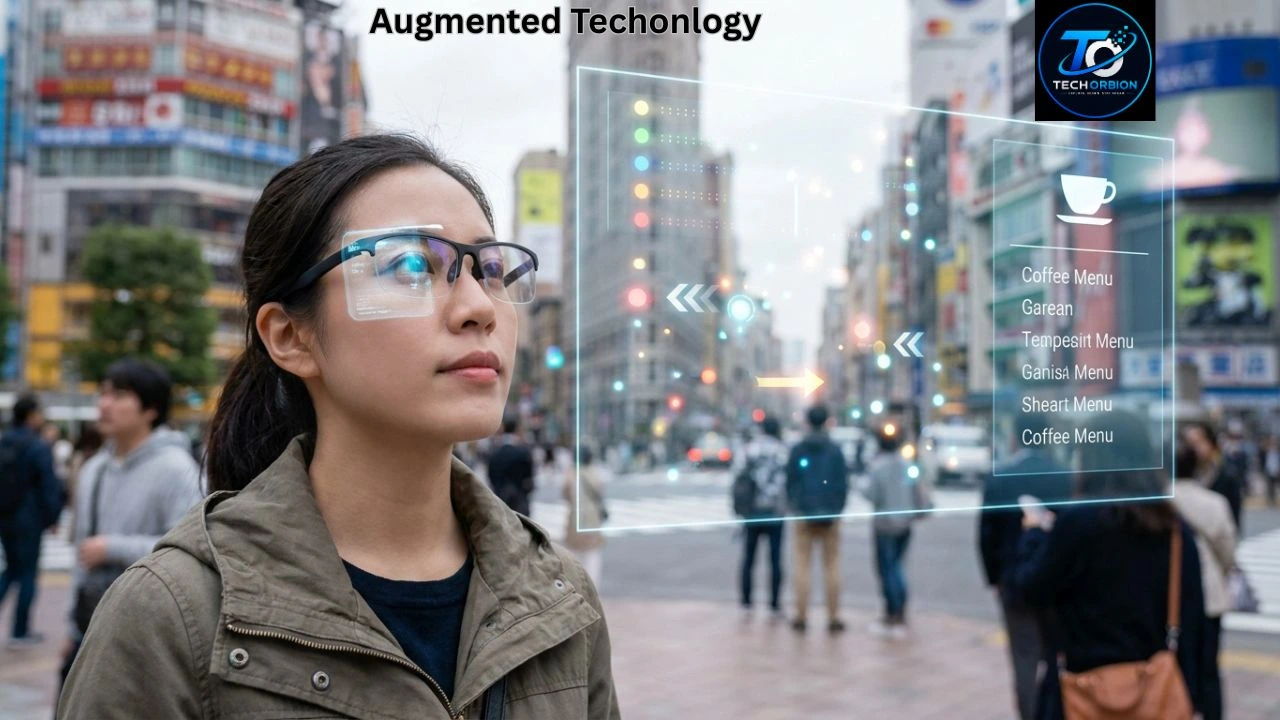
The word augmented means making something better by adding extra features or information. Today, the term is mostly used with technology, especially Augmented Reality (AR). This exciting technology mixes digital objects with the real world. Instead of replacing reality, it adds useful or fun digital content to what you already see around you.
You may have already used augmented technology without knowing it. Social media face filters, furniture apps that let you see a sofa in your room, and games that place virtual characters in real streets all use aug_mented features. As technology grows, augmented experiences are becoming a part of everyday life. In this guide, you will learn what augmented means, how it works, where it is used, and why it is becoming more important for people, schools, businesses, and entertainment.
What Does Augmented Mean?
The word augmented simply means “made greater by adding something.” In technology, it refers to adding digital information to the real world. This can include images, text, sounds, or 3D objects that appear on your phone, tablet, or smart glasses.
Unlike Virtual Reality, which creates a completely digital world, aug_mented technology keeps you connected to your real surroundings. You can still see your room, street, or classroom while digital content appears on top of it.
A simple example is a camera app that shows funny face filters while you are taking a selfie. The real person is still there, but digital effects are added to the image.
How Does Augmented Technology Work?
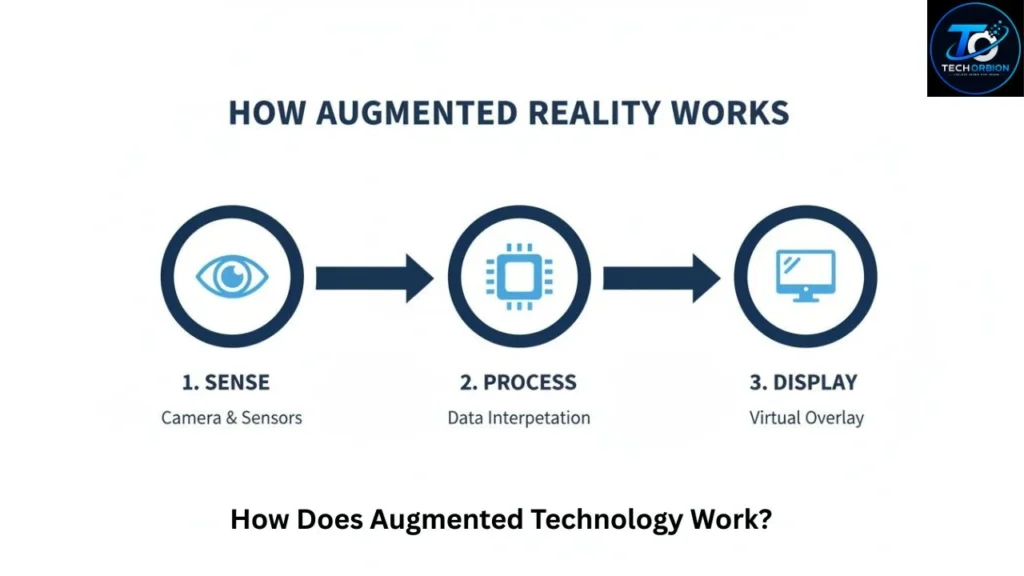
Augmented technology works by using a device’s camera, sensors, and software. The camera captures the real environment, while the software adds digital objects to the screen.
Modern smartphones have powerful processors that can quickly understand where objects are located. This allows virtual items to stay in the correct position even when you move your phone.
Some advanced systems also use artificial intelligence. AI helps recognize faces, objects, rooms, and even hand movements, making aug_mented experiences smoother and more realistic.
Everyday Examples of Augmented Technology
Many people use aug_mented features every day without realizing it. Popular social media apps offer face filters that change your appearance in real time.
Shopping apps allow customers to place virtual furniture inside their homes before buying. This helps people choose the right size, color, and design.
Navigation apps also use aug_mented technology. Instead of only showing a map, they can display arrows directly on the road through your phone’s camera, making directions easier to follow.
Google’s ARCore platform helps developers build augmented reality applications for Android devices.
Augmented in Education
Schools are finding new ways to use aug_mented technology to make learning more interesting. Students can view 3D models of planets, animals, or the human body right in their classrooms.
Instead of reading only from books, learners can interact with digital objects. This makes difficult subjects easier to understand and remember.
Teachers also benefit because lessons become more engaging. Students often pay better attention when learning includes visual and interactive experiences.
Augmented in Healthcare
Doctors and medical students use aug_mented tools to improve training and patient care. Medical students can study detailed 3D models of organs without needing real patients.
During some medical procedures, surgeons can view important digital information while performing operations. This helps improve accuracy and decision-making.
Patients can also use aug_mented apps to better understand treatments. Seeing visual explanations often makes medical information easier to understand.
Augmented in Business and Shopping
Many businesses use aug_mented technology to improve customer experiences. Online stores let shoppers see how products will look before placing an order.
Clothing brands offer virtual fitting rooms where customers can try on glasses, shoes, or makeup using their phone cameras.
Companies also use aug_mented tools to train employees. Workers can practice tasks with digital instructions, reducing mistakes and improving safety.
Augmented in Gaming and Entertainment
Gaming is one of the most exciting uses of aug_mented technology. Players can interact with digital characters that appear in parks, streets, or even inside their homes.
Entertainment companies use aug_mented effects during concerts, sports events, and live performances. Digital animations create more exciting experiences for audiences.
Museums and tourist attractions also use aug_mented guides. Visitors can point their phones at historical places to see extra information, videos, or animations.
The Future of Augmented Technology
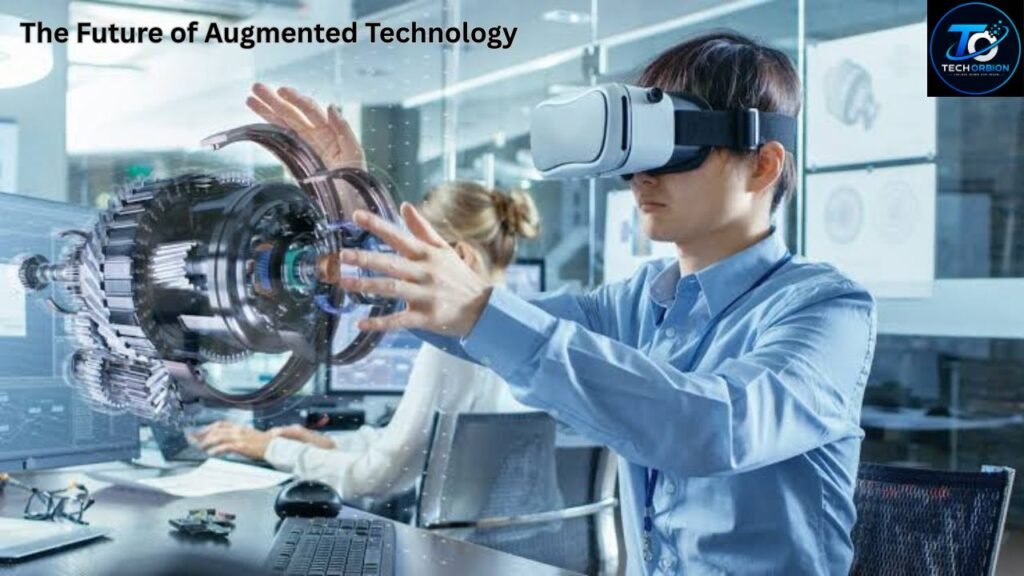
The future of aug_mented technology looks very promising. New smart glasses are being developed that can display digital information without needing a phone.
As internet speeds improve, aug_mented experiences will become faster and more realistic. Better graphics and smarter software will make digital objects look almost real.
Many experts believe augmented technology will become a normal part of work, education, shopping, travel, and daily life over the next few years.
Challenges of Augmented Technology
Although aug_mented technology offers many benefits, it also has some challenges. High-quality devices can be expensive, making them difficult for some people to afford.
Privacy is another concern. Some augmented apps collect camera data and location information, so users should always check privacy settings.
Developers must also create accurate and safe experiences. Poorly designed apps may not work well or may provide incorrect information.
Tips for Using Aug_mented Technology Safely
Always download aug_mented apps from trusted app stores. This helps reduce security risks and protects your personal information.
Be aware of your surroundings while using aug_mented features outdoors. Looking only at your screen may cause accidents.
Keep your device updated because software updates often improve performance, security, and compatibility with new augmented features.
Before installing AR apps, read our Cybersecurity Tips to keep your device safe.
Benefits of Aug_mented Technology
- Makes learning more fun and interactive.
- Helps students understand difficult topics.
- Improves shopping by showing products before buying.
- Supports better employee training.
- Makes navigation easier.
- Creates exciting gaming experiences.
- Helps doctors and medical students.
- Saves time during product selection.
- Encourages creativity and innovation.
- Improves customer satisfaction.
Common Mistakes
- Using aug_mented apps while walking without paying attention to surroundings.
- Downloading apps from unknown sources.
- Ignoring privacy settings before using camera-based apps.
- Expecting every augmented experience to work perfectly on older devices.
- Forgetting to update software regularly.
- Using poor lighting, which may reduce tracking accuracy.
Frequently Asked Questions
1. What does augmented mean?
Augmented means improving something by adding extra digital information or features to the real world.
2. Is augmented the same as Virtual Reality?
No. Augmented technology adds digital content to the real world, while Virtual Reality creates a completely virtual environment.
3. Can I use augmented technology on my smartphone?
Yes. Most modern Android phones and iPhones support many augmented apps.
4. Where is augmented technology commonly used?
It is used in education, healthcare, shopping, gaming, navigation, manufacturing, and entertainment.
5. Is augmented technology safe?
Yes, it is generally safe when used responsibly. Always use trusted apps, protect your privacy, and stay aware of your surroundings.
Conclusion
The world of aug_mented technology is growing faster than ever. From education and healthcare to shopping and entertainment, it is changing the way people learn, work, and have fun. By adding digital information to the real world, aug_mented experiences make everyday activities easier, more engaging, and more interactive.
As technology continues to improve, augmented tools will become even more common in our daily lives. Whether you are a student, teacher, business owner, or simply curious about new technology, learning about augmented experiences today can help you prepare for the future. Start exploring trusted augmen_ted apps, discover how they work, and see how this exciting technology can improve the way you interact with the world around you.
