

Introduction to Power Electronics
In the modern world, efficient energy management has become a critical requirement for industries, transportation, renewable energy systems, and consumer electronics. The technology responsible for controlling and converting electrical power efficiently is known as power electronics.
This field combines electrical engineering, semiconductor technology, and control systems to manage electrical energy in various applications. From electric vehicles and solar power systems to industrial machines and home appliances, advanced power control systems play a vital role in improving performance and energy efficiency.
Over the past few decades, technological advancements in semiconductor devices and digital control systems have significantly expanded the applications of power conversion technologies. As the demand for clean energy and energy-efficient systems increases, the importance of power electronics continues to grow across multiple industries.
This article provides a detailed explanation of the fundamentals, components, applications, advantages, and future trends related to this important engineering field.
What Is Power Electronics?
Power electronics is a specialized area of electrical engineering that focuses on the conversion, control, and management of electrical power using semiconductor devices.
Unlike traditional electrical circuits that mainly process signals, power conversion systems handle large amounts of electrical energy. The goal is to control voltage, current, and frequency to deliver energy efficiently to different types of loads.
These systems typically involve switching devices that convert electrical power from one form to another. For example, power converters can change alternating current (AC) into direct current (DC), increase or decrease voltage levels, or adjust the frequency of electrical signals.
Modern power control technologies are widely used in industries such as renewable energy, transportation, manufacturing, and consumer electronics.
Basic Principles of Power Electronics
To understand how power control systems work, it is important to examine the basic principles behind their operation.
Power Conversion
Power conversion is the process of transforming electrical energy from one form to another. For example, converting AC power from the electrical grid into DC power used by electronic devices.
Switching Operation
Most modern systems rely on semiconductor switches that rapidly turn electrical signals on and off. This switching process helps regulate energy flow and improve efficiency.
Control Systems
Control circuits monitor electrical parameters such as voltage and current. They adjust switching operations to maintain stable output power.
Energy Efficiency
A key goal of power electronics is to minimize energy loss during conversion and ensure that electrical power is delivered efficiently to the load.
These principles form the foundation of all modern power conversion technologies.
Key Components Used in Power Electronics
Power control systems rely on several important components that work together to manage electrical energy.
Power Semiconductor Devices
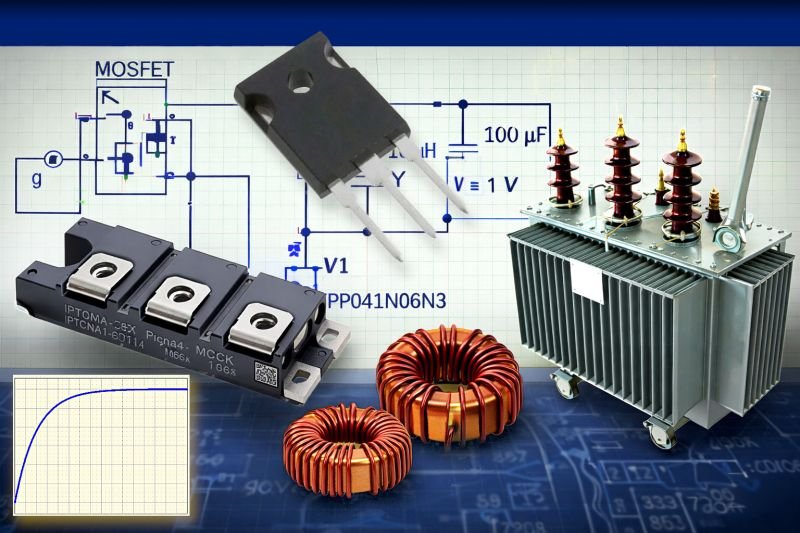
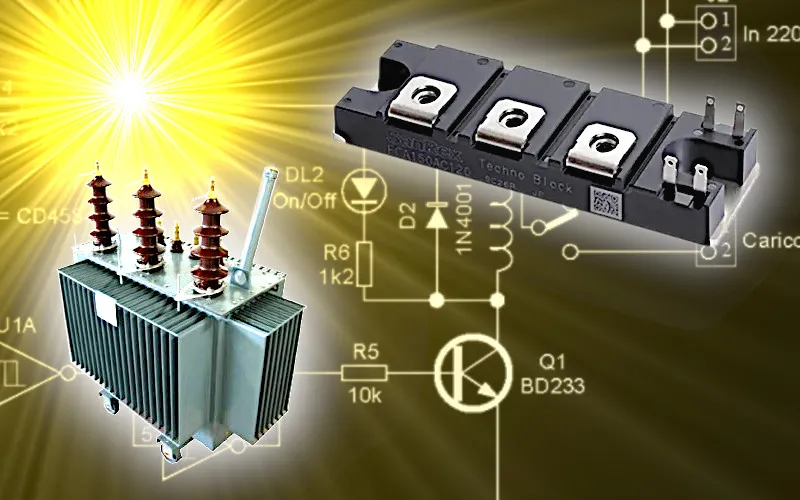
Semiconductor switches are the core elements in these systems. Common devices include:
- Power diodes
- Thyristors
- MOSFETs
- IGBTs
These components allow engineers to control high levels of electrical power efficiently.
Transformers
Transformers are used to increase or decrease voltage levels according to system requirements.
Capacitors and Inductors
These components store and filter electrical energy to maintain stable voltage and current levels.
Control Circuits
Control circuits manage switching operations and ensure stable system performance.
The combination of these components allows power electronics systems to operate reliably across many applications.
Types of Power Electronics Converters
Different types of converters are used depending on the required electrical transformation.
AC to DC Converters
Also known as rectifiers, these converters transform alternating current into direct current. They are widely used in battery charging systems and power supplies.
DC to AC Converters
These converters, commonly called inverters, convert direct current into alternating current. They are essential in solar power systems and backup power supplies.
DC to DC Converters
DC converters adjust voltage levels within direct current systems. They are commonly used in electronic devices and electric vehicles.
AC to AC Converters
These converters modify voltage or frequency while keeping the power in alternating current form.
Each of these systems demonstrates the versatility of power electronics in modern electrical engineering.
Applications of Power Electronics in Modern Technology
The influence of advanced power control systems can be seen in many areas of modern life.
Renewable Energy Systems
Solar panels and wind turbines rely on power conversion systems to integrate renewable energy into electrical grids.
Electric Vehicles
Electric vehicles use advanced power control technologies to manage battery power and motor performance.
Industrial Automation
Manufacturing industries use motor drives and automated systems that depend on efficient power control.
Consumer Electronics
Devices such as laptops, televisions, and smartphones use power supplies that rely on efficient conversion systems.
Smart Grids
Modern electrical grids use advanced energy control technologies to improve efficiency and stability.
These applications highlight the critical role of power electronics in modern technology.
Importance of Power Electronics in Renewable Energy
Renewable energy systems depend heavily on efficient energy conversion and control technologies.
Solar panels generate DC power, but electrical grids typically operate using AC power. Power converters are therefore required to transform energy into a usable form.
Similarly, wind turbines produce electrical power with variable frequencies. Power control systems adjust these signals to match grid requirements.
Without advanced power electronics, integrating renewable energy into modern power systems would be extremely difficult.
Advantages of Power Electronics
There are several reasons why power control technologies have become essential in modern engineering.
Improved Energy Efficiency
Efficient power conversion reduces energy losses and improves overall system performance.
Compact Design
Modern semiconductor devices allow power systems to become smaller and lighter.
Better Control of Electrical Systems
Power control systems allow precise regulation of voltage, current, and frequency.
Support for Renewable Energy
Advanced power systems enable the use of solar, wind, and other renewable energy sources.
These advantages explain why power electronics has become an important part of modern electrical engineering.
Challenges in Power Electronics
Despite its benefits, the field also faces several technical challenges.
Heat Management
Power semiconductor devices generate heat during operation, which requires effective cooling systems.
Electromagnetic Interference
Switching operations can create electrical noise that may affect nearby equipment.
High Development Costs
Designing advanced power systems requires specialized knowledge and expensive components.
Reliability Issues
Power devices must operate reliably under high voltage and current conditions.
Engineers continue to develop new solutions to overcome these challenges in modern power electronics systems.
Future Trends in Power Electronics
The future of energy management technology looks promising as new innovations continue to emerge.
Wide Bandgap Semiconductor Devices
Materials such as silicon carbide and gallium nitride allow higher efficiency and faster switching speeds.
Smart Power Systems
Advanced digital controllers and artificial intelligence will improve the performance of power control systems.
Electric Transportation
The growth of electric vehicles will increase the demand for advanced power conversion technologies.
Renewable Energy Integration
As renewable energy adoption increases, efficient energy management technologies will become even more important.
These innovations will shape the future of power electronics in the coming decades.
Role of Power Electronics in Sustainable Energy
Sustainability has become a global priority, and efficient energy management technologies play a crucial role in achieving this goal.
Advanced power conversion systems reduce energy waste and support the transition toward clean energy sources. They enable efficient power transmission, energy storage, and renewable energy integration.
By improving the efficiency of electrical systems, power electronics contributes to reducing carbon emissions and promoting sustainable development.
Conclusion
Energy efficiency and reliable power control are essential in today’s technology-driven world. The field of power electronics provides the tools and technologies needed to convert, manage, and control electrical energy effectively.
From renewable energy systems and electric vehicles to industrial automation and consumer electronics, these technologies play a vital role in modern society. Continuous innovation in semiconductor devices, control systems, and digital technologies will further expand the applications of advanced power conversion systems.
As the demand for clean energy and energy-efficient solutions grows, the importance of power electronics will continue to increase. Engineers, researchers, and industries will rely on these technologies to build a more efficient and sustainable energy future.
