
Introduction to Modern Technology
Modern technology has become an essential part of everyday life. From smartphones and artificial intelligence to smart homes and cloud computing, technological innovations are changing the way people live, work, and communicate. Over the past few decades, rapid advancements in science and engineering have created powerful tools that simplify complex tasks and increase productivity.
Today, modern technology influences nearly every industry including healthcare, education, business, transportation, and entertainment. Businesses rely on digital tools to improve efficiency, while individuals use smart devices to stay connected and informed. As technology continues to evolve, it is shaping a smarter, faster, and more connected world.
Understanding the impact of modern technological solutions helps individuals and organizations adapt to future innovations and opportunities.
What Is Modern Technology?
Modern technology refers to the latest tools, machines, software, and systems that are developed using advanced scientific knowledge. These innovations are designed to solve problems, improve efficiency, and enhance human capabilities.
Unlike traditional technology, modern systems rely heavily on digital infrastructure, artificial intelligence, automation, and data analytics. These technologies help businesses operate more efficiently and enable people to perform tasks quickly and accurately.
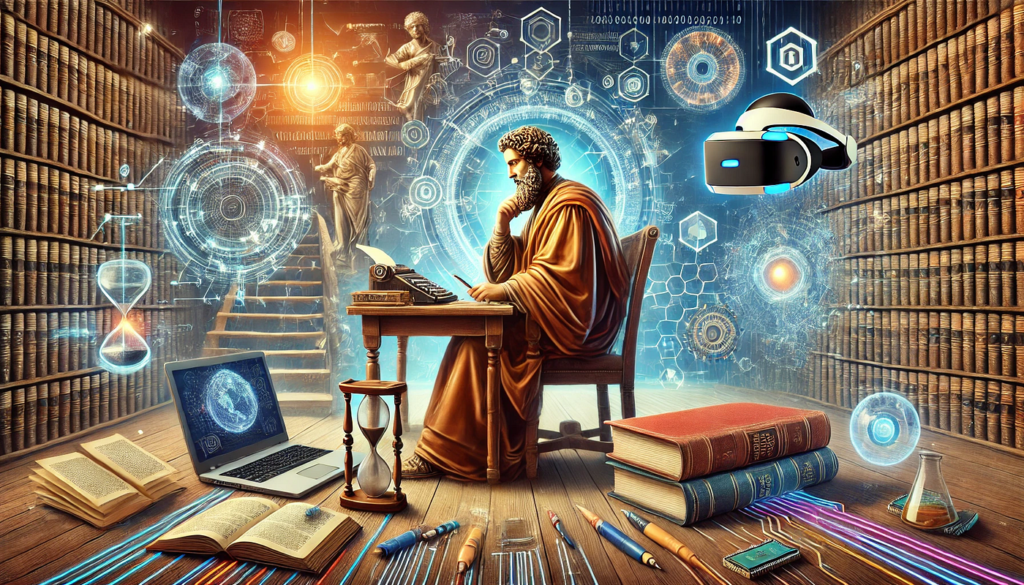
Examples of modern technological tools include:
- Artificial Intelligence (AI)
- Internet of Things (IoT)
- Cloud Computing
- Robotics
- Virtual Reality
- Blockchain
- Smart Devices
These advancements have created a digital ecosystem where devices communicate with each other, making life more convenient and efficient.
The Evolution of Modern Technology
The journey toward modern technological systems did not happen overnight. It evolved gradually through decades of innovation and discovery.
Early Technological Innovations
Early technological advancements focused on mechanical inventions such as steam engines, telegraphs, and electricity. These inventions laid the foundation for the industrial revolution and modern engineering.
The Digital Revolution
The invention of computers and the internet marked a major turning point in the development of modern technological systems. Computers allowed people to process information faster, while the internet connected the world through a global network.
The Age of Smart Technology
Today, the world is entering an era of intelligent systems powered by artificial intelligence, machine learning, and automation. Smart devices can learn user behavior and adapt to individual preferences, creating personalized experiences.
Modern Technology in Daily Life
Modern technological tools have become deeply integrated into everyday activities. From morning alarms on smartphones to online banking and digital entertainment, technology plays a vital role in daily routines.
Communication
One of the most significant impacts of modern technological innovation is improved communication. Social media platforms, instant messaging apps, and video conferencing tools allow people to connect instantly regardless of location.
Smart Homes
Smart home devices such as automated lighting systems, smart thermostats, and voice assistants allow homeowners to control their homes remotely.
Online Services
Digital platforms provide convenient services such as online shopping, food delivery, ride-hailing, and digital payments.
These innovations save time and provide greater convenience for users around the world.
Modern Technology in Healthcare
Healthcare is one of the industries that has benefited greatly from modern technological advancements. Medical professionals now use advanced tools and digital systems to diagnose, treat, and monitor patients more effectively.
Telemedicine
Telemedicine allows doctors to consult patients remotely through video calls and digital platforms. This has improved healthcare accessibility for people living in remote areas.
Medical Imaging
Advanced imaging technologies such as MRI scans and CT scans help doctors detect diseases at an early stage.
Wearable Health Devices
Wearable technology like smartwatches and fitness trackers can monitor heart rate, sleep patterns, and physical activity.
These innovations help doctors provide better treatment while empowering individuals to monitor their health.
Modern Technology in Education
Education has been transformed by modern technological tools. Digital learning platforms have made education more accessible and interactive.
Online Learning Platforms
Students can now access online courses, digital textbooks, and recorded lectures from anywhere in the world.
Virtual Classrooms
Video conferencing tools allow teachers to conduct virtual classes and interact with students in real time.
Educational Apps
Learning applications help students improve their skills through interactive exercises, quizzes, and tutorials.
Modern technological solutions have made learning flexible, personalized, and accessible to a global audience.
Modern Technology in Business and Industry
Businesses rely heavily on modern technological infrastructure to stay competitive in the global market.
Automation and Robotics
Manufacturing industries use robots and automated machines to increase productivity and reduce human error.
Data Analytics
Businesses use data analytics tools to analyze customer behavior, market trends, and business performance.
Cloud Computing
Cloud technology allows companies to store and manage data securely while enabling remote access to business systems.
These innovations help organizations reduce operational costs and improve decision-making processes.
Advantages of Modern Technology
Modern technological advancements offer numerous benefits that improve quality of life and economic growth.
Increased Efficiency
Automated systems perform tasks faster and more accurately than manual methods.
Global Connectivity
People can communicate and collaborate with others worldwide using digital platforms.
Improved Healthcare
Advanced medical technologies enable early diagnosis and effective treatment.
Enhanced Learning Opportunities
Students can access educational resources online, making learning more flexible.
These advantages demonstrate how modern technological tools continue to drive progress across multiple industries.
Challenges of Modern Technology
Despite its benefits, modern technological development also presents several challenges.
Cybersecurity Threats
As more data is stored online, cyberattacks and data breaches have become serious concerns.
Job Displacement
Automation and artificial intelligence may replace certain jobs, requiring workers to develop new skills.
Digital Addiction
Excessive use of smartphones, social media, and online entertainment can negatively affect mental health.
Privacy Concerns
Data collection by companies and digital platforms raises concerns about user privacy and data protection.
Addressing these challenges is essential for ensuring responsible and ethical use of technology.
Future Trends in Modern Technology
The future of modern technological innovation looks promising as new advancements continue to emerge.
Artificial Intelligence Expansion
AI is expected to play a larger role in industries such as healthcare, finance, and transportation.
Smart Cities
Cities will use digital infrastructure to improve transportation systems, energy management, and public services.
Quantum Computing
Quantum computers have the potential to solve complex problems much faster than traditional computers.
Augmented and Virtual Reality
AR and VR technologies will transform industries such as gaming, education, training, and entertainment.
These developments will further accelerate digital transformation across the world.
How Modern Technology Is Shaping the Global Economy
Modern technological systems play a crucial role in driving economic growth and innovation.
Technology companies contribute significantly to global economies by creating jobs, developing new products, and improving productivity.
Digital transformation also allows small businesses to compete in international markets through e-commerce platforms and digital marketing strategies.
Countries that invest in research and technological infrastructure are more likely to experience long-term economic growth and competitiveness.
The Importance of Responsible Use of Modern Technology
While technological innovation offers numerous advantages, responsible use is essential for maintaining balance in society.
Individuals should use digital tools wisely and avoid excessive screen time. Organizations must prioritize cybersecurity and data protection to safeguard user information.
Governments also play a vital role in regulating technological development and ensuring ethical practices in areas such as artificial intelligence and data privacy.
By promoting responsible use, societies can maximize the benefits of modern technological innovation while minimizing potential risks.
Conclusion
Modern technology continues to reshape the world in remarkable ways. From healthcare and education to business and communication, technological advancements have improved efficiency, connectivity, and convenience.
As innovation accelerates, new tools and digital systems will continue to transform industries and create new opportunities. However, it is important to address challenges such as cybersecurity, privacy concerns, and job displacement.
By embracing innovation responsibly and investing in technological development, individuals, businesses, and governments can build a smarter and more sustainable future.
The influence of modern technology will only continue to grow, making it one of the most powerful forces shaping the digital age.
