

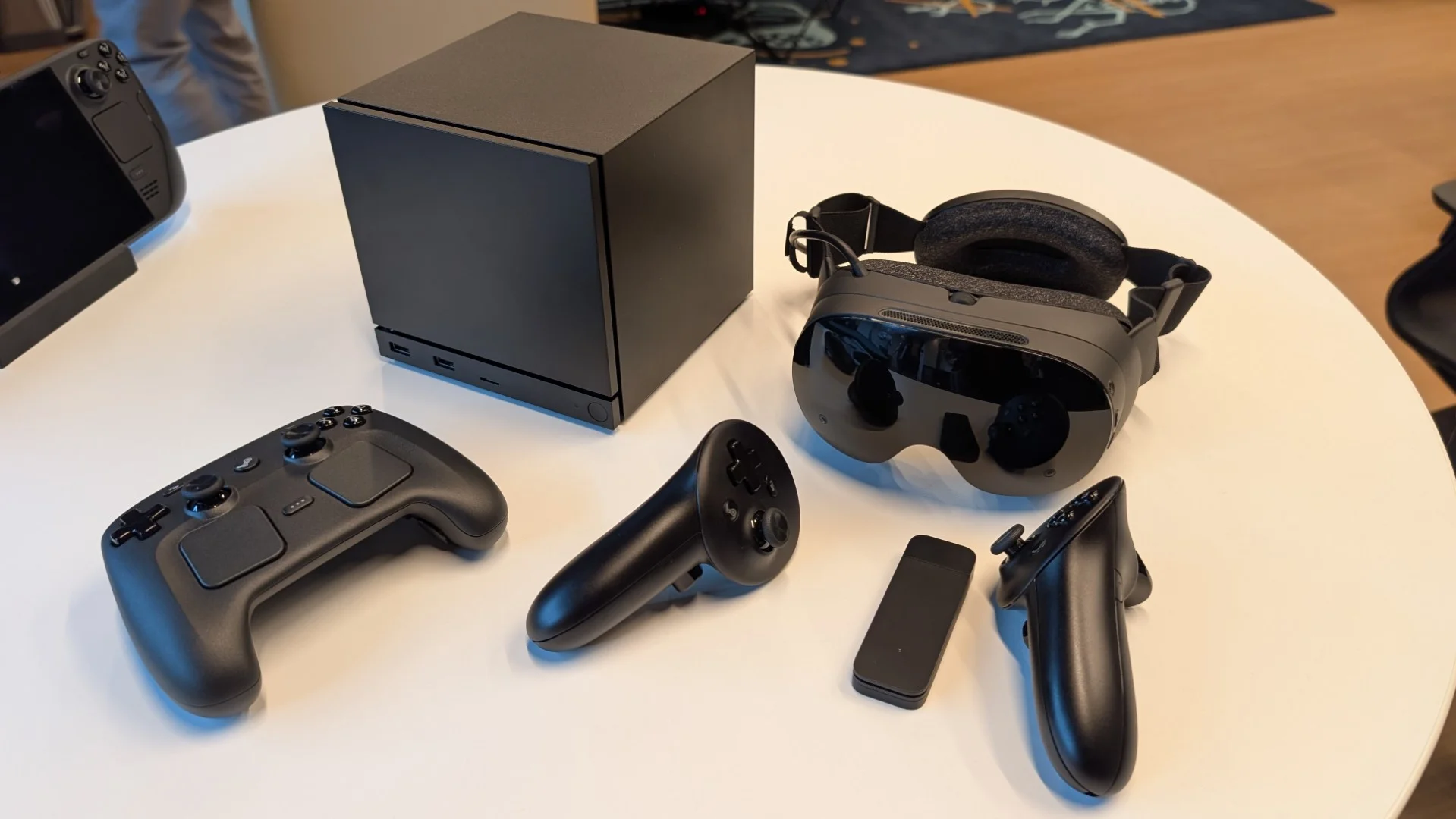
The gaming industry has seen countless innovations over the years, but only a few ideas have attempted to merge the flexibility of PC gaming with the simplicity of consoles. One such ambitious project was the Valve Steam Machine, a device that aimed to redefine how gamers interact with PC-based entertainment.
Although it didn’t achieve long-term commercial success, the Valve Steam Machine remains one of the most fascinating experiments in gaming history. In this detailed guide, we’ll explore its origins, features, challenges, and how it influenced modern gaming hardware.
What Is Valve Steam Machine and Why It Was Created
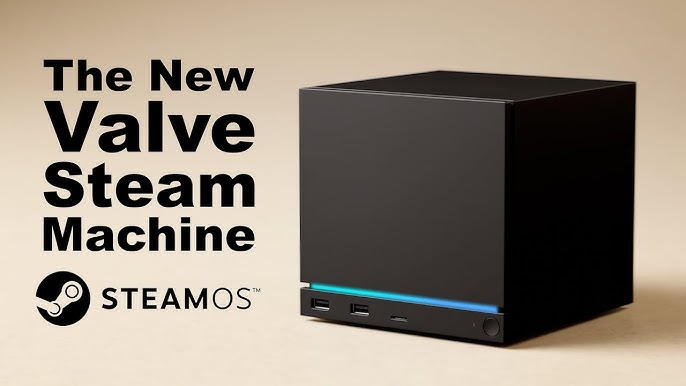
The Valve Steam Machine was a line of gaming devices introduced by Valve Corporation around 2015. Unlike traditional consoles, these machines were essentially compact gaming PCs designed to run a specialized operating system called SteamOS.
The Core Idea
Valve wanted to:
- Bring PC gaming into the living room
- Compete with consoles like PlayStation and Xbox
- Offer an open platform instead of a closed ecosystem
The Valve Steam Machine was not a single device but a collection of hardware configurations from different manufacturers, all designed to work with Steam.
The Vision Behind Valve Steam Machine
The concept of the Valve Steam Machine was built on three key pillars:
1. Open Platform Gaming
Unlike consoles, users could:
- Install other software
- Modify hardware (in some models)
- Access a wide range of PC features
2. SteamOS Integration
SteamOS was a Linux-based operating system focused on gaming, designed to:
- Optimize performance
- Reduce system overhead
- Provide a console-like interface
3. Living Room Experience
Valve wanted gamers to:
- Play on big screens
- Use controllers instead of keyboard/mouse
- Enjoy a seamless couch gaming experience
Hardware Variations of Valve Steam Machine
One unique aspect of the Valve Steam Machine was its variety. Different manufacturers produced their own versions.
Popular Manufacturers Included:
- Alienware
- ZOTAC
- Gigabyte
Key Hardware Features:
- Intel and AMD processors
- Dedicated graphics cards
- SSD storage options
- Compact console-like designs
This diversity allowed users to choose a Valve Steam Machine based on their budget and performance needs.
Steam Controller: A Key Part of Valve Steam Machine Ecosystem
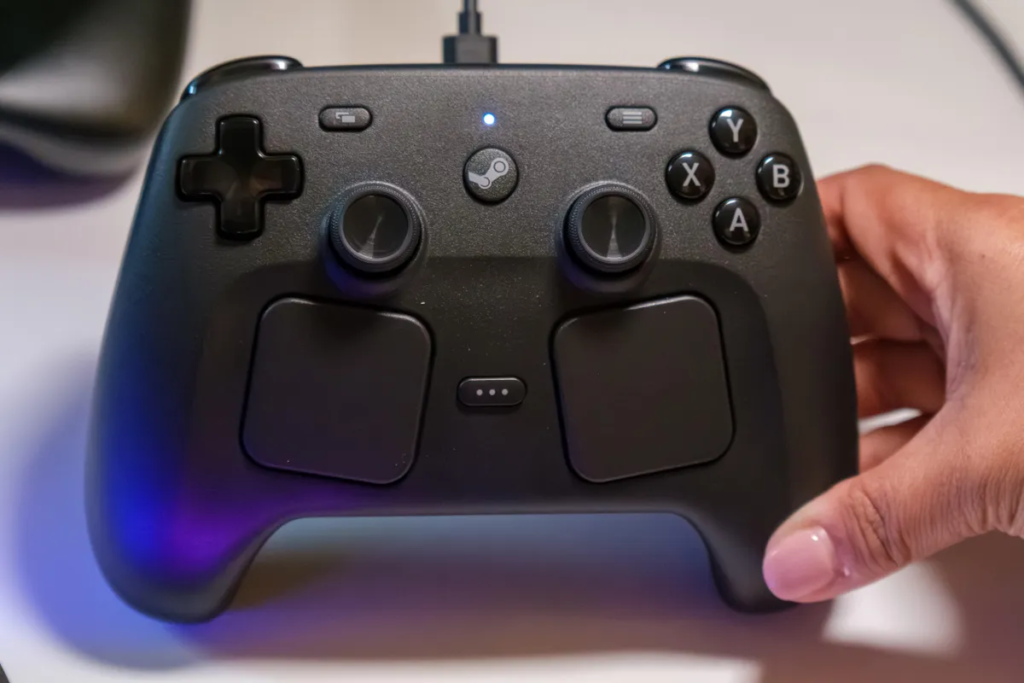
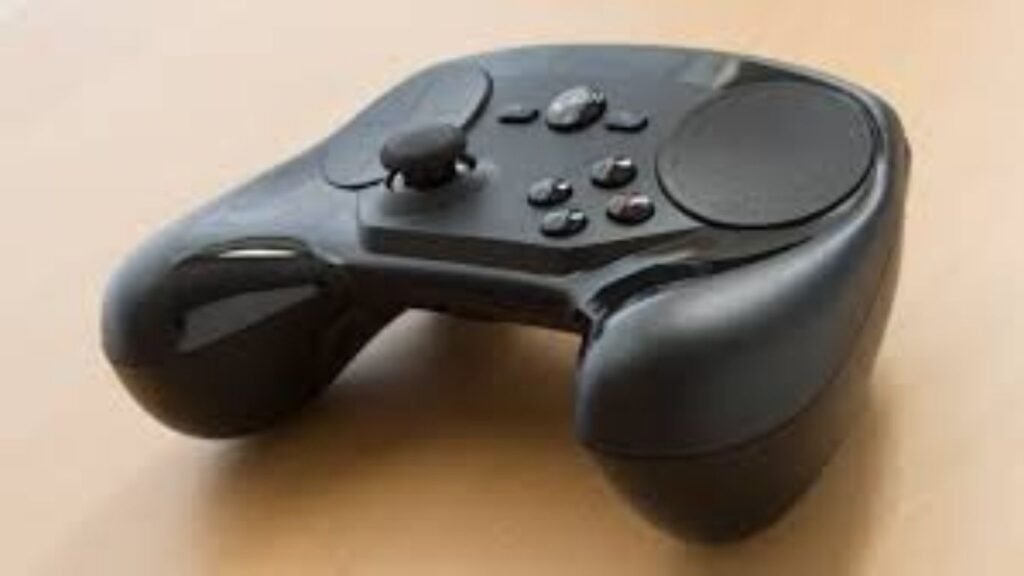
Alongside the Valve Steam Machine, Valve introduced the Steam Controller.
Unique Features:
- Dual trackpads instead of traditional joysticks
- Customizable controls
- Haptic feedback
While innovative, the controller had a learning curve, which affected its widespread adoption.
Why Valve Steam Machine Struggled in the Market
Despite its promising concept, the Valve Steam Machine faced several challenges that limited its success.
1. Lack of Native Game Support
SteamOS relied heavily on Linux compatibility, but:
- Many popular games were Windows-only
- Developers were slow to adapt
2. High Pricing
Some models were:
- More expensive than consoles
- Comparable to full gaming PCs
3. Confusing Product Line
Unlike a single console, the Valve Steam Machine had multiple versions, which:
- Confused buyers
- Made comparisons difficult
4. Competition from Established Consoles
Devices like PlayStation 4 and Xbox One dominated the market with:
- Exclusive titles
- Established ecosystems
Software Challenges Faced by Valve Steam Machine
Software limitations played a major role in the downfall of the Valve Steam Machine.
SteamOS Limitations:
- Limited compatibility with major titles
- Driver issues on Linux
- Performance inconsistencies
Many users ended up installing Windows, defeating the purpose of SteamOS.
Valve Steam Machine vs Traditional Gaming Consoles
Comparing the Valve Steam Machine with consoles highlights both strengths and weaknesses.
Advantages:
- Open ecosystem
- Customizable hardware
- Access to Steam library
Disadvantages:
- Lack of exclusives
- Higher cost
- Less optimization
While consoles focused on simplicity, the Valve Steam Machine leaned towards flexibility.
Valve Steam Machine vs Gaming PCs
The Valve Steam Machine also competed with traditional gaming PCs.
Similarities:
- PC-based architecture
- Upgradeable (in some models)
- Access to PC games
Differences:
- Smaller form factor
- Console-like interface
- Limited OS (SteamOS vs Windows)
Ultimately, many gamers preferred full PCs for better compatibility.
The Impact of Valve Steam Machine on the Gaming Industry
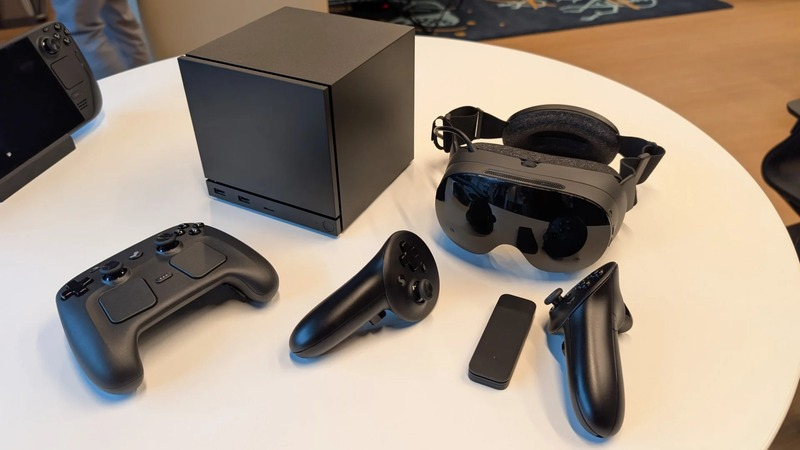
Even though it didn’t succeed commercially, the Valve Steam_Machine had a lasting impact.
Key Contributions:
- Promoted Linux gaming
- Encouraged controller innovation
- Inspired hybrid gaming devices
The idea of blending PC and console experiences continues to influence modern hardware.
How Valve Steam_Machine Led to Future Innovations
The lessons learned from the Valve Steam Machine paved the way for future devices like the Steam Deck.
Improvements Seen in Steam Deck:
- Better hardware optimization
- Wider game compatibility
- Portable design
The Steam Deck can be seen as a refined evolution of the original concept.
Is Valve Steam_Machine Still Relevant Today?
While officially discontinued, the Valve Steam_Machine still holds relevance in certain areas.
Who Might Still Use It:
- Tech enthusiasts
- Linux gamers
- Collectors
However, modern alternatives offer better performance and support.
Should You Buy a Valve Steam_Machine in 2026?
Buying a Valve Steam_Machine today depends on your needs.
Consider Buying If:
- You enjoy experimenting with Linux
- You want a collector’s item
- You find it at a low price
Avoid If:
- You want latest games
- You prefer plug-and-play simplicity
- You need long-term support
Lessons Learned from Valve Steam_Machine
The journey of the Valve Steam_Machine offers valuable insights.
Key Lessons:
- Software ecosystem matters more than hardware
- Simplicity is crucial for mainstream success
- Clear product identity is essential
These lessons continue to shape the gaming industry today.
Future of Valve Hardware After Steam_Machine
Valve has shifted its focus to new innovations, including:
- Portable gaming devices
- VR technology
- Improved Steam platform features
The company continues to experiment, building on the foundation laid by the Valve Steam_Machine.
Final Thoughts on Valve Steam_Machine
The Valve Steam_Machine was a bold and ambitious attempt to bridge the gap between PC and console gaming. While it didn’t achieve mainstream success, it introduced ideas that are now shaping the future of gaming hardware.
From open platforms to hybrid devices, the influence of the Valve Steam_Machine can still be seen today. It serves as a reminder that innovation often involves risk—and even unsuccessful products can leave a lasting legacy.
