

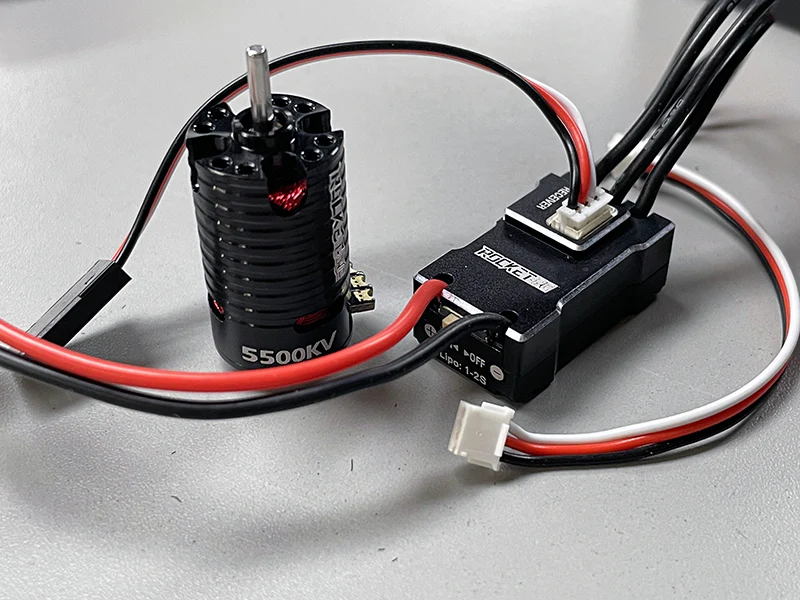
Remote control cars have become one of the most exciting hobbies for technology lovers and racing enthusiasts. Whether you enjoy competitive racing or simply driving RC cars for fun, understanding the components of your RC vehicle is essential. One of the most important components is the RC car ESC, which plays a critical role in controlling the speed and performance of your remote control car.
Many beginners focus mainly on the motor or battery when upgrading their RC car, but the RC car ESC (Electronic Speed Controller) is equally important. It manages the power from the battery and sends the correct amount of energy to the motor, allowing smooth acceleration, braking, and reverse movement.
In this complete guide, we will explain everything you need to know about RC car ESC, including how it works, types of ESCs, features to consider, installation tips, and how to choose the best ESC for your RC car.
What Is an RC Car ESC?
An RC car ESC (Electronic Speed Controller) is an electronic device that controls the speed of the RC car’s motor. It receives signals from the transmitter through the receiver and adjusts the motor’s speed accordingly.
In simple terms, the ESC acts like the throttle system of a real car. When you press the trigger on your remote control, the RC car ESC increases the power delivered to the motor, causing the car to accelerate. When you release the trigger or apply brakes, the ESC reduces or stops the power.
Without an ESC, the motor would run at full speed whenever the battery is connected, making it impossible to control the vehicle.
How an RC Car ESC Works
Understanding how an RC car ESC works can help you optimize the performance of your RC vehicle.
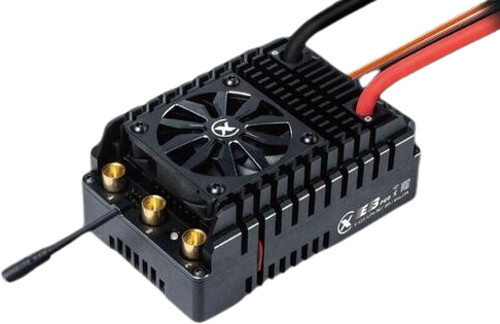
The ESC connects three major components:
- The battery
- The motor
- The receiver
When you operate the remote control transmitter, it sends signals to the receiver inside the RC car. The receiver then sends these signals to the RC car ESC, which interprets them and adjusts the motor speed accordingly.
The ESC controls:
- Acceleration
- Braking
- Reverse movement
- Motor efficiency
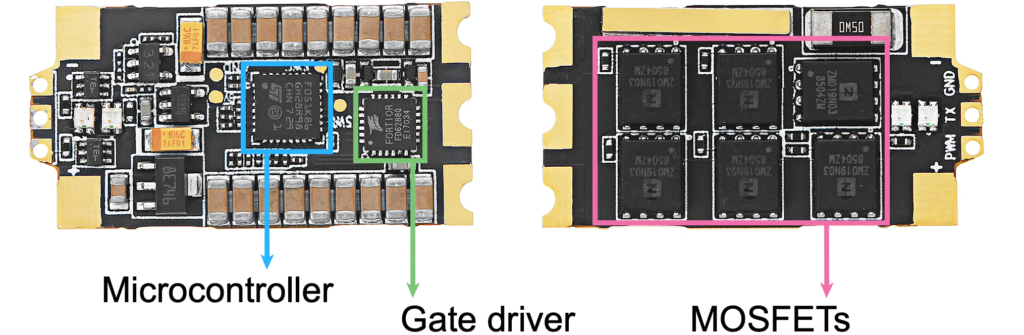
Modern ESC systems use advanced electronic circuits to regulate voltage and current, ensuring smooth and precise control.
Types of RC Car ESC
There are different types of ESCs designed for various RC car setups. Choosing the right RC car ESC depends on the motor type and the purpose of your RC vehicle.
Brushed RC Car ESC
Brushed ESCs are designed for brushed motors, which are common in beginner RC cars.
Advantages:
- Affordable price
- Easy to use
- Simple installation
However, brushed ESCs may not provide the same performance level as brushless systems.
Brushless RC Car ESC
Brushless ESCs are designed for brushless motors, which are commonly used in high-performance RC cars.
Benefits include:
- Higher efficiency
- Greater speed potential
- Longer motor lifespan
- Better heat management
A brushless RC car ESC is often preferred by experienced hobbyists and racers.
Waterproof RC Car ESC
Some ESCs are specifically designed to resist water, dust, and mud. These are ideal for off-road RC cars that operate in challenging environments.
Waterproof RC car ESC units allow drivers to run their RC cars in rain, snow, or muddy terrain without damaging the electronics.
Key Features to Look for in an RC Car ESC
When choosing the best RC car ESC, it is important to evaluate several features that affect performance and durability.
Voltage Compatibility
The ESC must support the voltage of your battery pack. Most RC cars use LiPo batteries, and the ESC should match the battery’s voltage range.
Current Rating
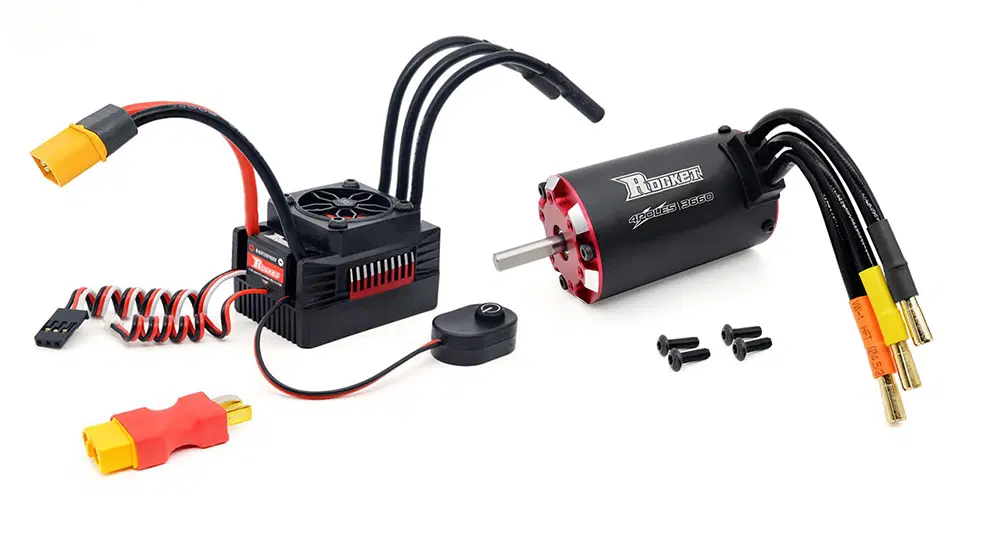
The current rating determines how much electrical current the ESC can handle. A higher current rating allows the ESC to support more powerful motors.
Programmability
Many modern ESCs allow users to customize settings such as:
- Throttle response
- Brake strength
- Motor timing
- Battery protection
A programmable RC car ESC offers greater flexibility for tuning performance.
Cooling System
ESCs generate heat during operation, especially in high-speed RC cars. A good cooling system, such as heat sinks or cooling fans, helps prevent overheating.
Safety Features
Some ESCs include safety protections such as:
- Overheat protection
- Low voltage cutoff
- Overcurrent protection
These features help extend the life of your RC components.
Benefits of Using a High-Quality RC Car ESC
Investing in a high-quality RC car ESC can significantly improve your RC driving experience.
Better Speed Control
A good ESC provides smoother acceleration and braking, allowing better control over the vehicle.
Improved Motor Efficiency
High-quality ESCs deliver power more efficiently, improving the overall performance of the RC car.
Longer Battery Life
Efficient power management reduces energy waste and extends battery runtime.
Enhanced Durability
Premium ESCs are designed with durable components that can handle intense driving conditions.
How to Install an RC Car ESC
Installing an RC car ESC is not very difficult, but it requires careful attention to wiring and connections.
Step 1: Disconnect the Battery
Before starting the installation, make sure the battery is disconnected to avoid electrical damage.
Step 2: Connect the ESC to the Motor
Attach the ESC wires to the motor terminals. For brushless motors, there are usually three wires.
Step 3: Connect the ESC to the Receiver
Plug the ESC signal wire into the throttle channel of the receiver.
Step 4: Connect the Battery
Attach the battery connector to the ESC’s power input.
Step 5: Calibrate the ESC
Most ESCs require calibration to match the transmitter’s throttle range.
Once installed correctly, the RC car ESC will allow precise speed control.
Common Problems With RC Car ESC
Like any electronic device, ESCs can sometimes experience issues.
Overheating
Overheating can occur if the ESC is overloaded or lacks proper cooling.
Motor Stuttering
If the motor stutters or runs inconsistently, the ESC settings may need recalibration.
Power Loss
Loose wiring or incompatible batteries can cause power issues.
ESC Failure
Using an ESC that cannot handle the motor’s power requirements may lead to damage.
Proper maintenance and correct setup can prevent most RC car ESC problems.
Tips for Maintaining an RC Car ESC
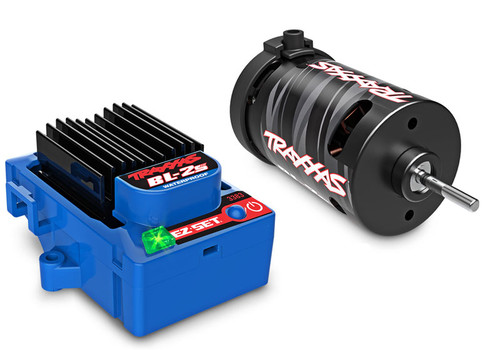
Proper care can extend the lifespan of your RC car ESC and ensure reliable performance.
Keep the ESC Clean
Dust, dirt, and debris can affect cooling and performance.
Monitor Temperature
Avoid running the ESC at extremely high temperatures for long periods.
Use Compatible Components
Always match the ESC with the correct motor and battery.
Check Wiring Regularly
Loose or damaged wires can cause electrical issues.
Regular maintenance ensures that your RC car ESC continues to perform efficiently.
Upgrading Your RC Car ESC
Many RC hobbyists upgrade their ESC to improve performance.
Upgrading to a more advanced RC car ESC can provide:
- Faster acceleration
- Higher top speed
- Better throttle response
- Improved durability
However, upgrading may also require upgrading the motor, battery, and cooling system.
The Future of RC Car ESC Technology
Technology continues to evolve in the RC hobby industry. Modern ESC systems are becoming more advanced with features such as:
- Smart ESC programming via mobile apps
- Real-time telemetry data
- Advanced cooling technology
- AI-based motor control
These innovations will make RC car_ESC systems even more efficient and user-friendly in the future.
Conclusion
The RC car_ESC is one of the most important components of any remote control vehicle. It controls the speed, power delivery, and overall performance of the motor. Without a reliable ESC, an RC car cannot function properly.
Whether you are a beginner or an experienced RC enthusiast, understanding the role of the RC car_ESC can help you optimize your vehicle’s performance. By selecting the right ESC, ensuring proper installation, and maintaining the system regularly, you can enjoy smooth driving and better control over your RC car.
As RC technology continues to evolve, ESC systems will become even more advanced, offering greater efficiency, precision, and performance for hobbyists around the world.
